A week ago I wrote a post about the two projects I was working on. I’m pleased to report that I finished one of those on Saturday.
But I need to qualify that. I finished the words part of the project. And I did a small amount of proofreading on Sunday, so I guess I should say Sunday was my completion day. I’d better explain.
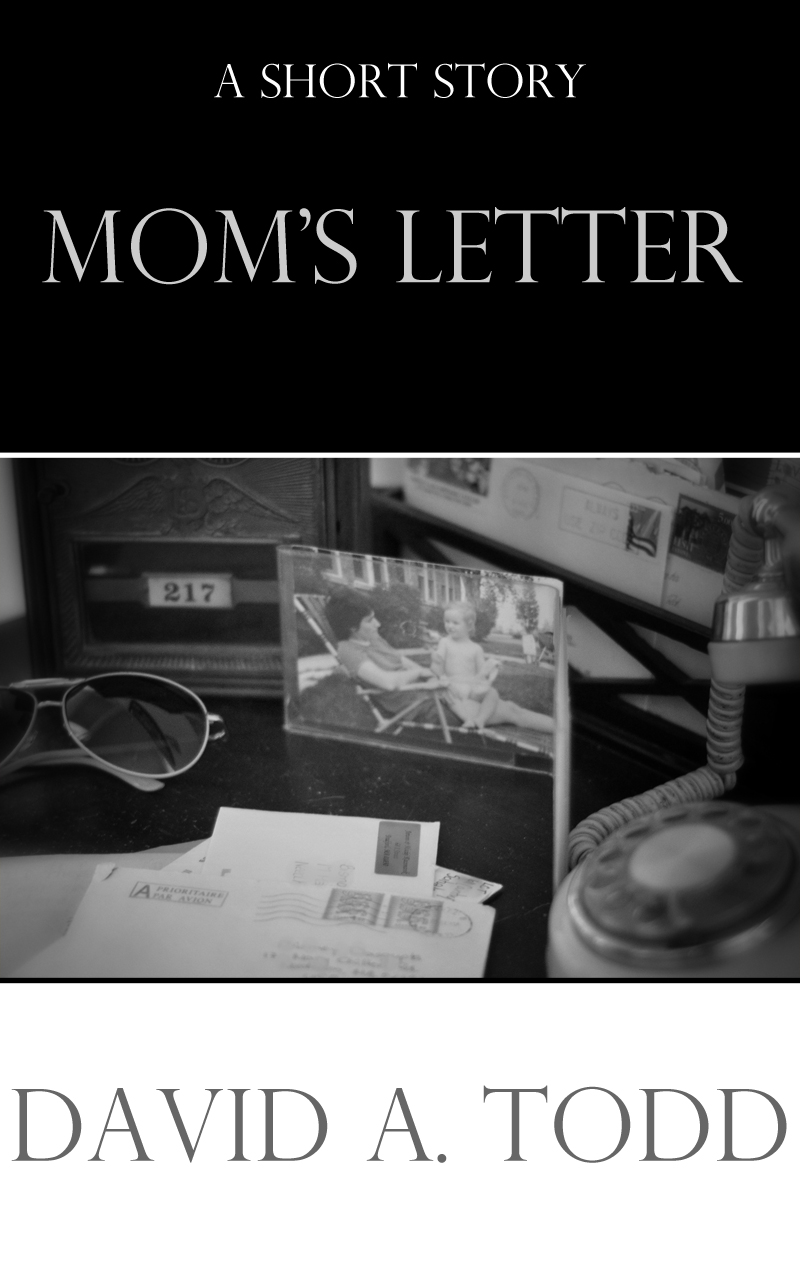
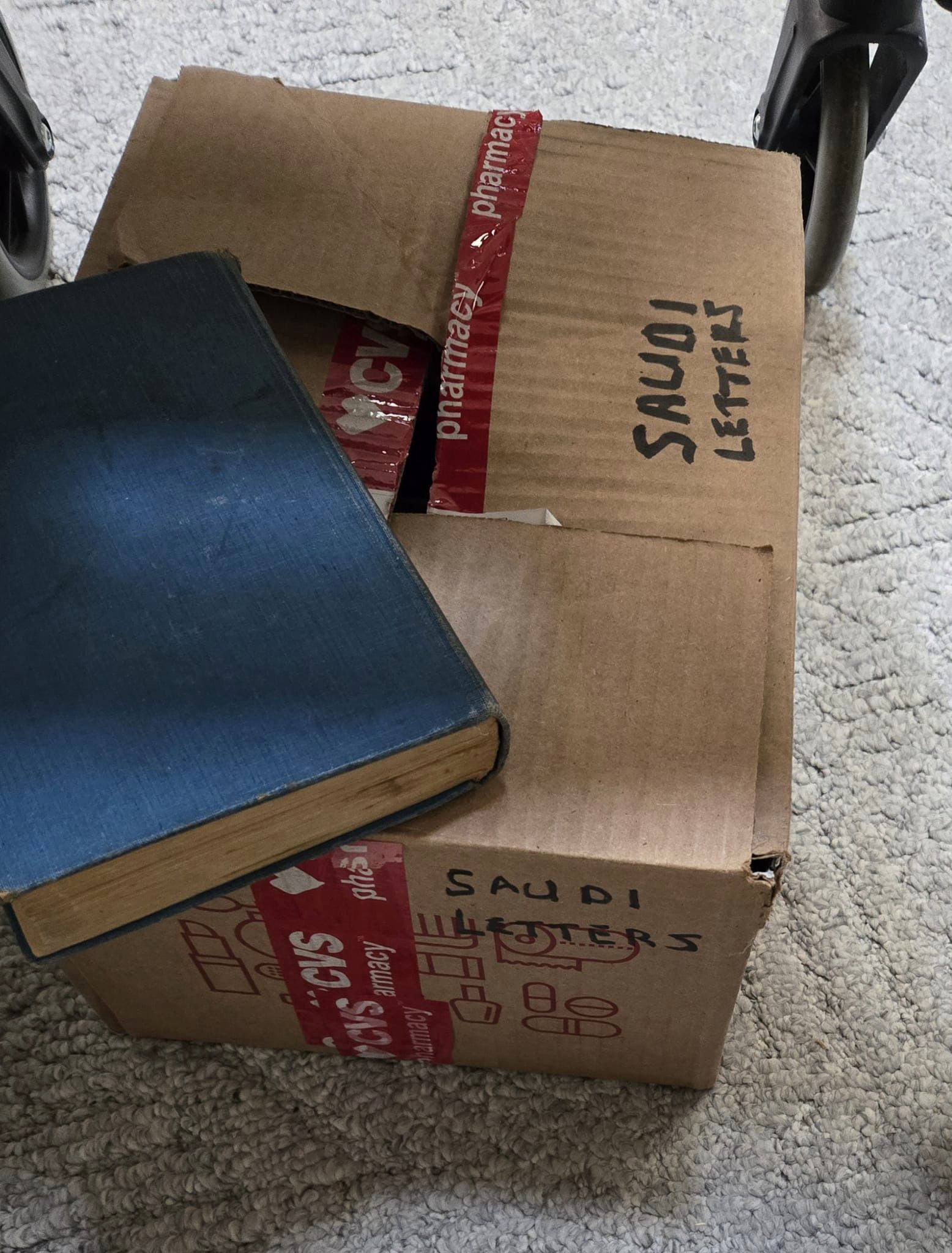
The project was the book of letters during our years in Saudi Arabia, 1981-83. As I explained before, we didn’t have a phone in our apartment, had limited access to the office phone for personal calls (expensive and inconvenient), so we wrote letters home. Our parents, grandparents, and others kept most of them, and now we have them. In addition, we have some that were written to us from home. We must have brought those back with us when we were repatriated.
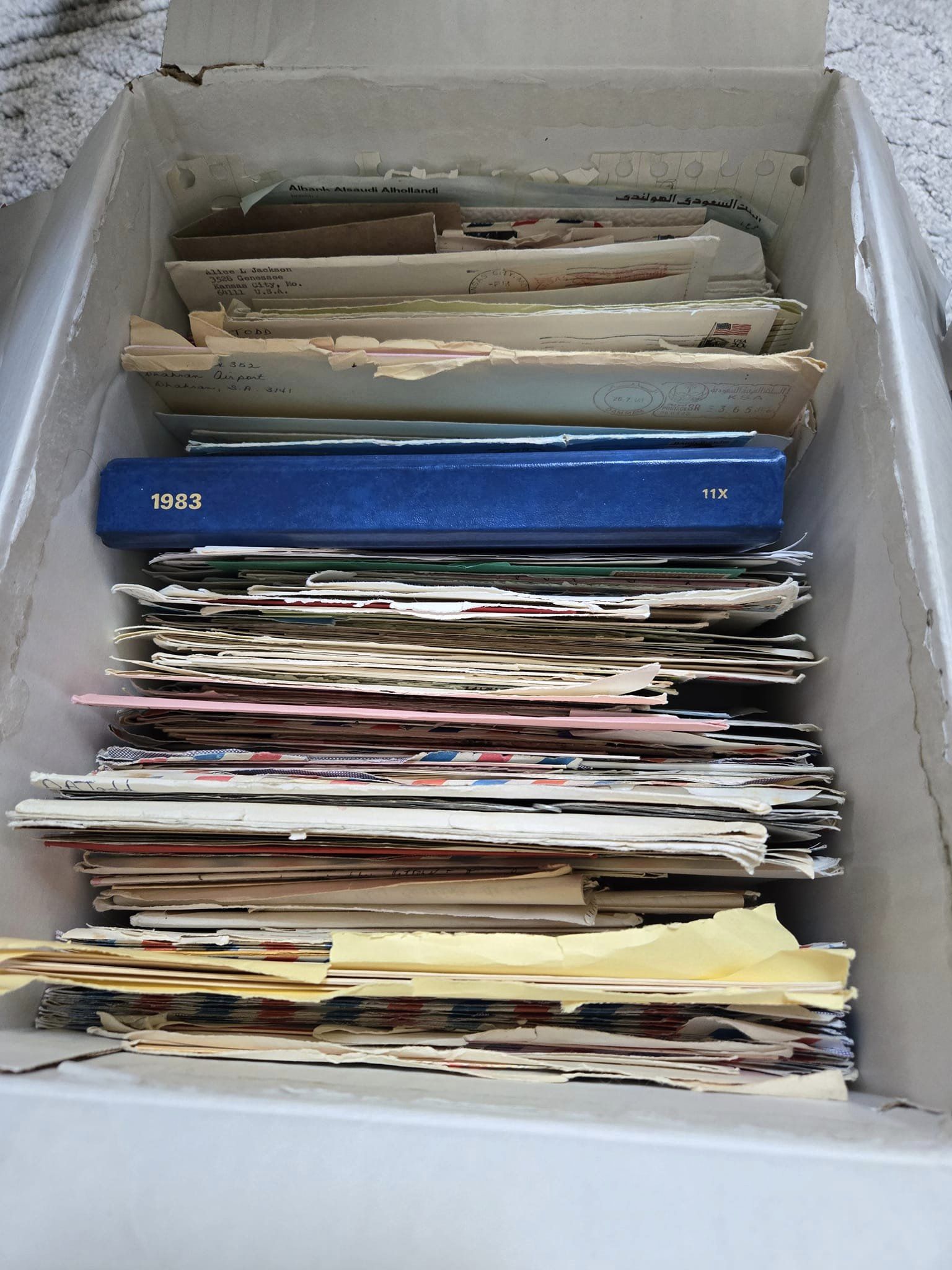
The collection, as it currently stands, is 191 items. I say “items” instead of letters, and “currently stands” because the collection includes a few things that aren’t letters, such as envelopes of receipts from some of our travels. Also, we have a number of empty envelopes in our files, addressed to a parent. The letters themselves were removed and are presumed lost. Or are they around the house somewhere?
This project actually began somewhere arounds 2008, I think it was. I gathered all the Saudi letters together, collated them, and began to transcribe them to a Word document. As I did, I left the letters out of the envelopes and put them opened flat in a folder, thinking that was a better way to preserve them. Later, as I studied how letter collections were gathered and preserved, I realized they should be left in the envelopes. So a few years later I returned them to the envelopes.
Or did I? Problem is, I remember finding the folder and seeing the letters laid flat and the envelopes on top, but I don’t actually remember ever putting them in the envelopes. Did I do it? I don’t have a list of which letters I transcribed, and the computer file is long gone from various computer upgrades. It makes me wonder if that folder is still there, buried beneath a pile of other things, waiting for me to do my work.
No matter right now. Today I have set aside some time to look for that folder and see if there are other letters to collate and transcribe. I don’t think there are, but we’ll see.
This was a fun, if often tedious project. The document I’ve created is over 109,000 words and spans 190 8.5×11 pages. It includes a four page Introduction, a list of the letters, and a list of correspondents. The only words that are missing are those that will go on the Copyright page. Well, that, and whatever captions I add to pictures once I get them added to the book.
Yes, I intend to publish it. It’s just for family, a way to preserve some of our history. But I’ll publish it as a paperback to Amazon, print off a few copies for family, then un-publish it. It will remain on my Amazon author’s bookshelf, ready to be re-published should some family want more copies (such as my grandchildren when they are older).
So the next step is to generously illustrate the book with photos. I plan on using some time in the afternoons over the next couple of weeks to go through the mountain of photos we have, select 50 or so good ones (maybe more), scan them, load them into the book. Then all that’s left is converting the Word file into the correct size pages for publishing, moving the photos to the right place, adding captions, make a suitable cover, and publish it.
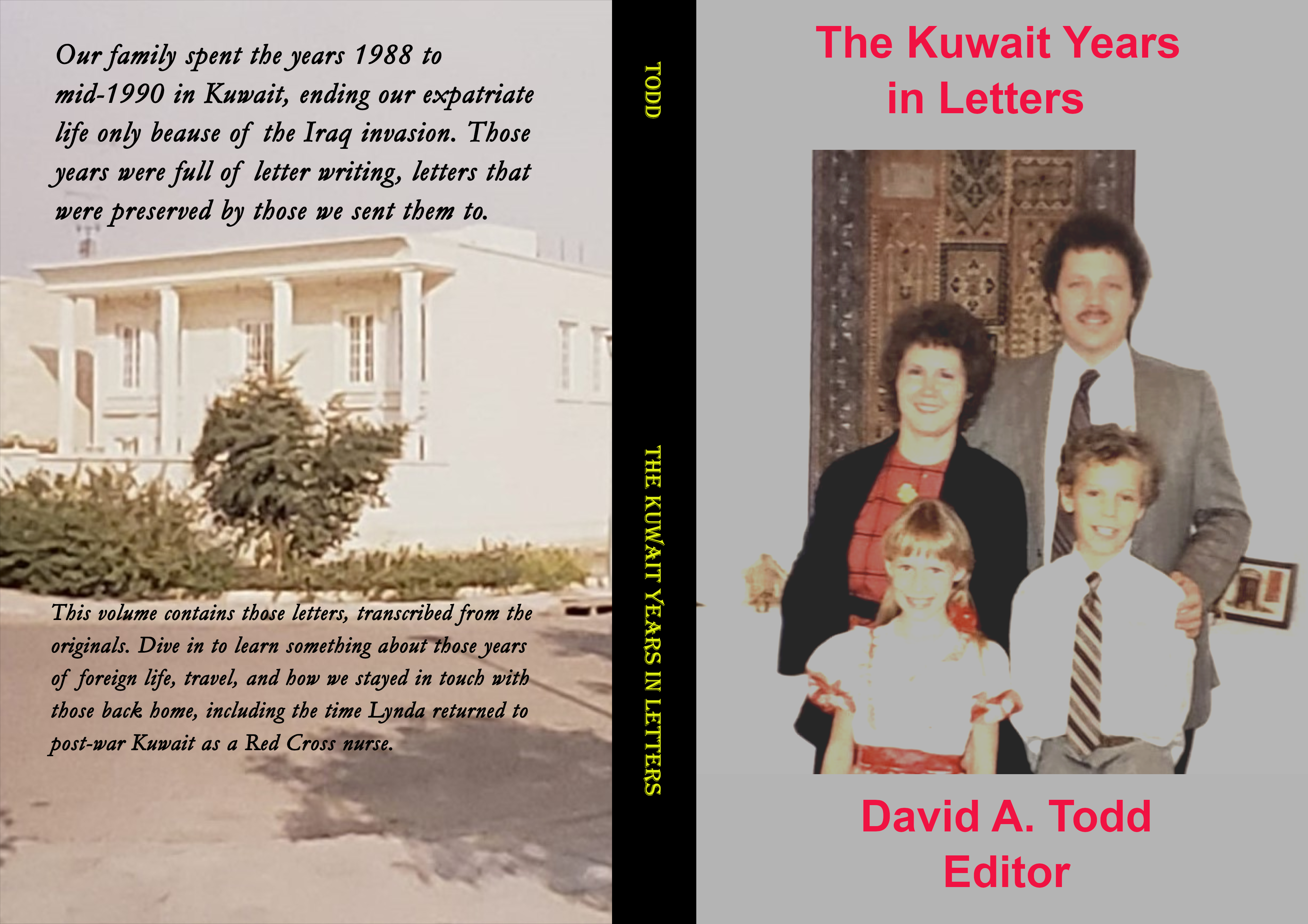
No, that’s not a quick and easy task. But I’ve already done that once with the letters from our years in Kuwait, so I sort of know the drill. Moving photos into place is actually kind of easy. The final sizing and positioning takes some care, but it’s quite doable.
That’s my afternoon job over the next couple of weeks.
My morning job? The will be picking up again A Walk Through Holy Week, Volume 2, and doing the next round of edits. I’m not really sure how long that will take me. Could be a week, could be two. I’ll also have to decide if I need another round of edits before moving on to publishing tasks.
I felt a great weight fall from my shoulders on Saturday when I typed the last words in the Saudi letters book. It’s good to see it reach this milestone.