The days of routine continue, with occasional shake-ups.
Thursday Sept 24, Lynda fell while getting out of our minivan. A trip to the ER showed nothing broken, but her rt wrist is quite bruised and is slow to heal. She’s doing okay through her time of limited capacity.
The traffic light where I have to turn to get Ezra to the high school in the morning is malfunctioning. The left turn signal will not come on and cars are backing up. Eventually a few cars slip through on the red light when no one is coming. I did that this morning after waiting in line over five minutes for the left turn signal to appear, which it never did.
We go for lab work this morning, with regular doctor appointments to follow in a week. Not major, just a break in the routine.
I’m making changes to the layout of my office for Ezra to have a place to do his homework, with space to lay out books and papers. This will be a two-day process, I think.
I got a long letter written yesterday, to a man in prison who might be in a bad way. Today I have a thank you note and a get well note to write. These two will be handwritten. We’ll see if I can do it.
As part of the office re-doing, stuff in the dining room has been exposed, stuff we need to put away or store or something. But first we need to buy a China cabinet for the dining room. I’ve found one on-line, but the logistics of getting it have so far stymied me. Maybe I’ll work on that today.
I made contact with a locksmith to see about having my front door lock worked on, but somehow the matter dropped. Gotta get that going again. Also, gotta call about pest control. We at least know who we’re going to use.
These are just to-do list items, but, given that I’m now feeling my age and perhaps more than my age, is a seemingly insurmountable task that needs to be finished before the next one can be undertaken. I hope to be able to return to multi-tasking someday.
Will this be the title of my autobiography? Stay tuned.
My current read is a large autobiography. How large? Let’s just say I’m on page 448 and am not quite 3/4 of the way through it. So it’s going to be a while before I finish it and post a review.
So what to blog about today? I’ve been slowly putting together material for my own autobiography. Not because my life is notable enough for the world to care, but perhaps someone in the family will. My plans are to write it and leave it behind, at least as reasonably completed electronic files if not printed on paper.
This is surprisingly more difficult than I expected. What are the things I should put in it? How to organize it? What to title it? What style to write in—very formal or casual stories? Do I analyze my life or just report it? How long to make it?
As to titles, I’ve thought of these possibles:
The Journey Was A Joy
Stories, Secrets, Legends, and Lies
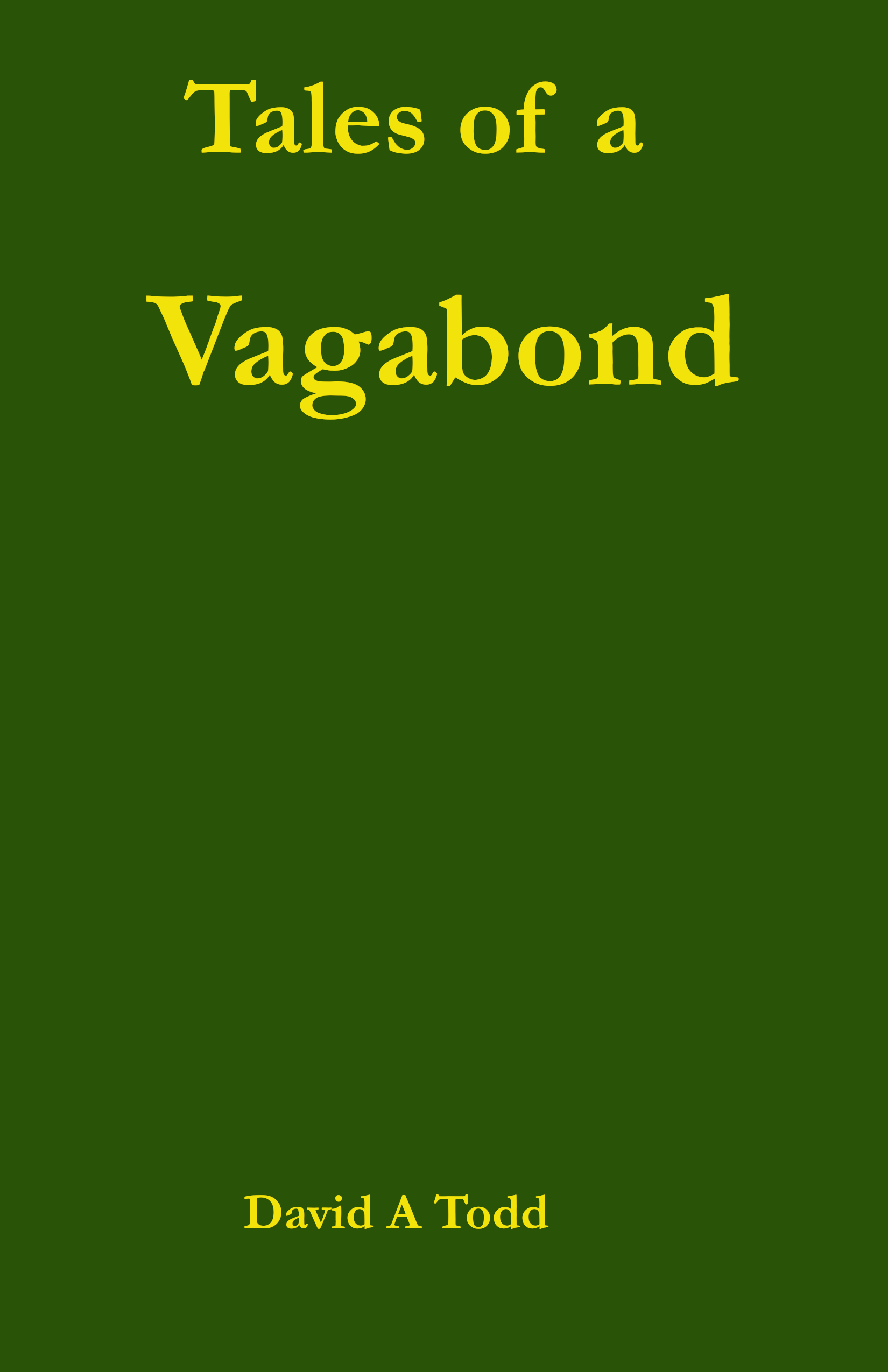
Tales Of A Vagabond
My current thinking is that I’ll use the third of these, but I’m still thinking about it.
One thing I’m also wondering about is how much emphasis to put on transitions as opposed to everyday living. The important transitions I could easily focus on are:
Death of my mother in 1965, when I was 13
Off to college in 1970
Relocation from New England to Kansas City upon graduation in 1974
Marriage in 1976
Birth of our children in 1979 and 1981
Move to Saudi Arabia in 1981
Move to Asheboro, NC in 1984
Move to Kuwait in 1988
Iraq invades Kuwait 1990
Move to NW Arkansas in 1991
Retirement 2019
Move to Lake Jackson, TX in 2026
The listing of these transitions show why Tales of a Vagabond is one of the titles I’m considering and the one I’m currently favoring.
The transition I’m thinking about most currently is my move to Kansas City. This made no sense. I had four job offers I was considering. Three were in Boston and one in Kansas City. Surprisingly, the KC one was for the most money despite the much lower cost of living compared to Boston. But if I worked in Boston, I could have lived at home in Rhode Island and taken the commuter rail to Boston. What to do, what to do? I took the job in KC. When my last semester was over, I loaded up my 1966 Plymouth Valiant with 3-speed on column, well-used snow tires in the rear trying to get some last little use out of them, and headed west.
And the rest, as they say, is history.
So I’m now wondering, 52 years after the event, why I did it. I guess I needed a complete break, a change in surroundings. I was taking baby steps in my new spiritual life, and I needed my physical life to also be new to allow those baby steps to quickly transition to the start of spiritual maturity. That’s my current analysis.
Well, back to writing. Currently working on the next volume in The Forest Throne series.
Mauldin published this even while the Italian campaign was ongoing.
What do you keep, what do you discard, what do you find a new home for?
Those were the hard decisions we were faced with—are still faced with—as we downsized and moved from Arkansas to Texas. Many of the artifacts I’m thinking of came from our parents and grandparents, and a few a bit older than that. It seems wrong to throw them out, but who will want them when we pass on? From a sense of nostalgia and history, will anyone really look at them again? From a sense of storage space, who has enough to handle five generations of artifacts?
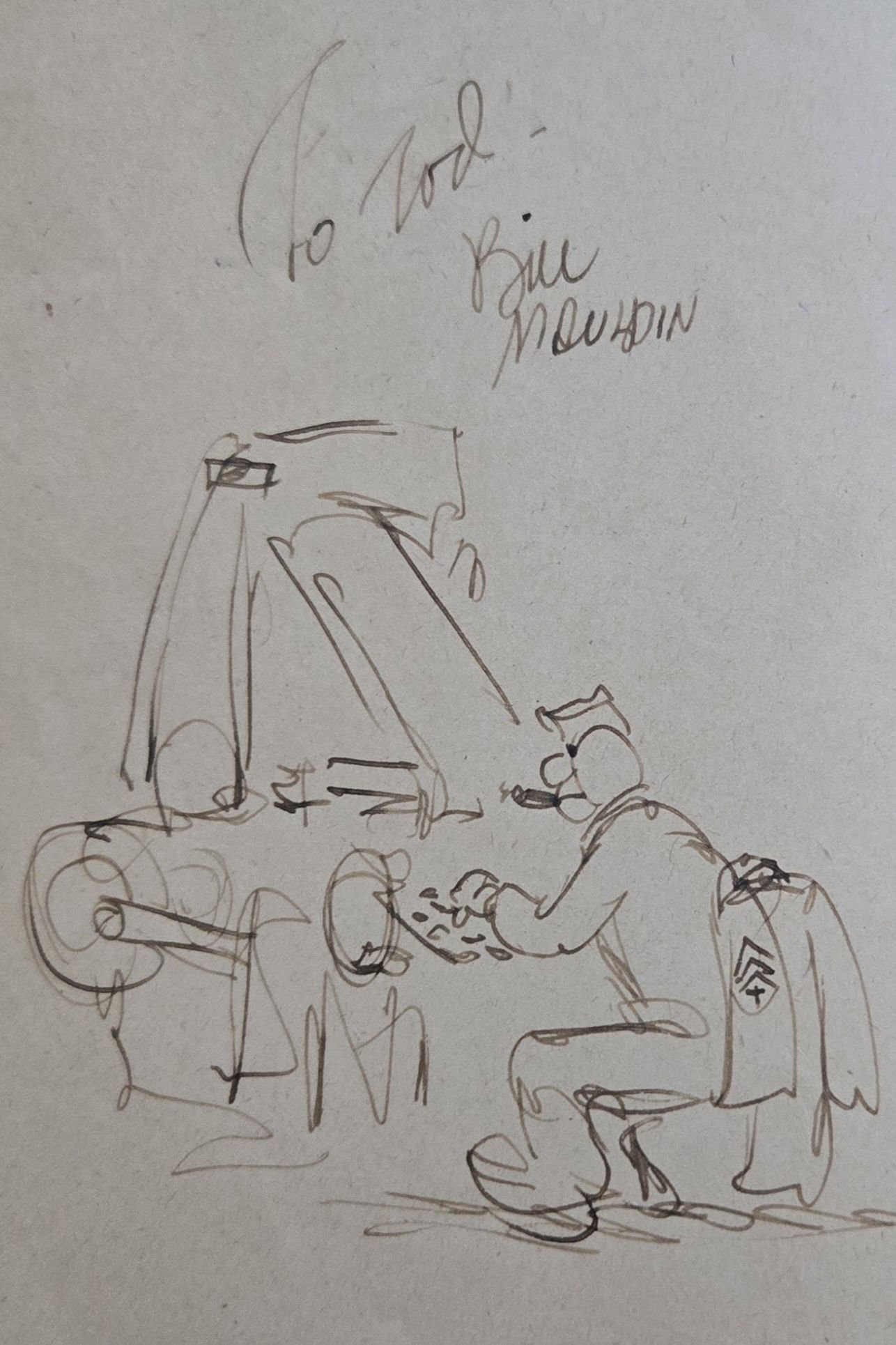
Mauldin’s cartoon portrayal of Dad at a linotype machine may add some value to this artifact.
I’ve been earnestly dealing with this since at least 2020. The first things to go were Dad’s tools. What boy doesn’t want his dad’s tools? My brother and I split the tools (he took the vast volume of hardware) after Dad died in 1997. Twenty years of having them clog up my garage and never using them convinced me to get rid of most of them—though not the offset box wrenches. In fact, dealing with them and realizing that Dad never got rid of anything, leaving us a house full of treasures and junk to deal with, gave me a negative example that I’m trying not to leave to my kids. When I hit the grave, I hope to have one chair, one small table, one bed, one dinner place setting, three changes of clothes, and enough books to keep me interested according to the condition I’m in at the time.
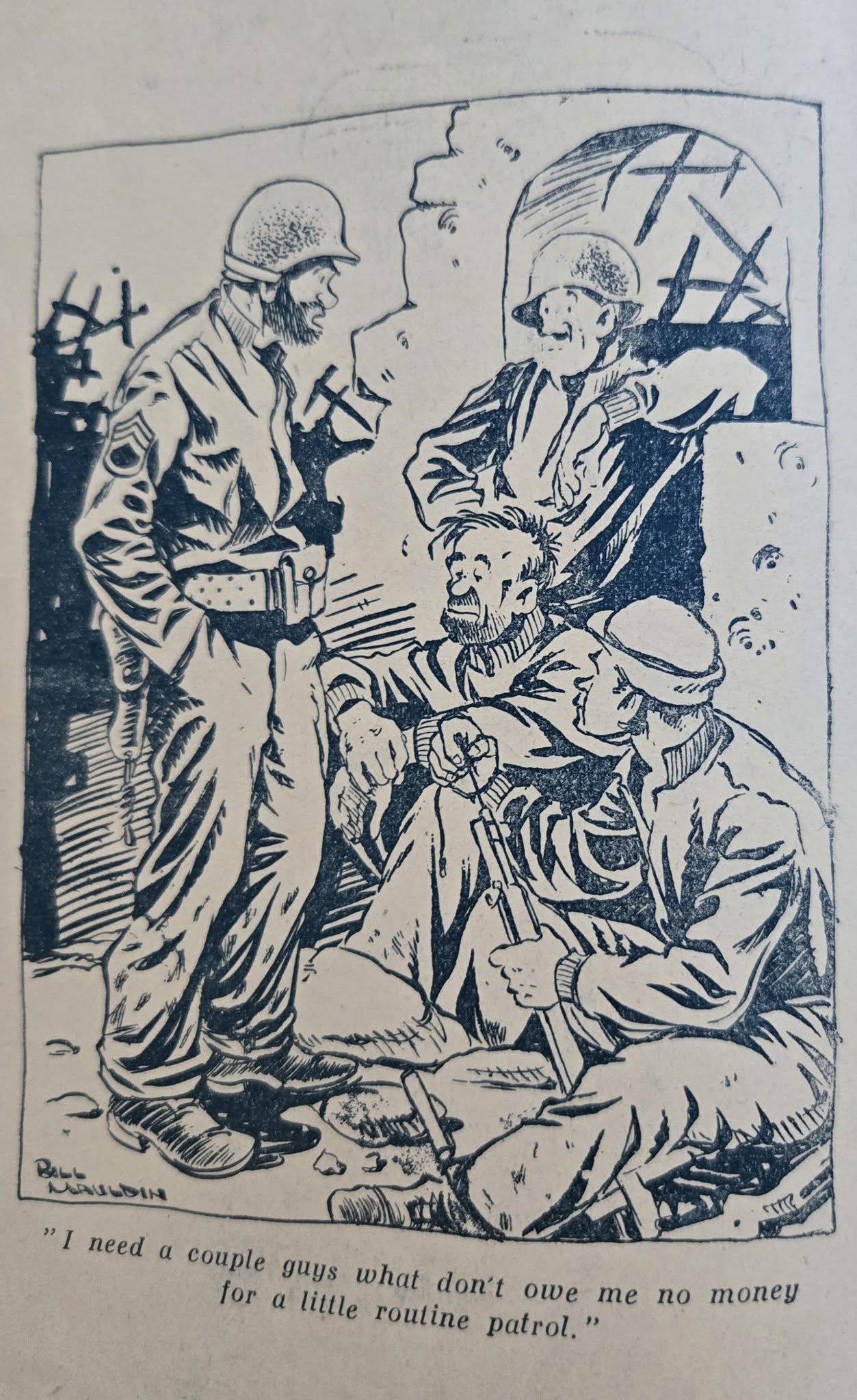
Mauldin had a way of showing the G.I.’s story in his cartoons.
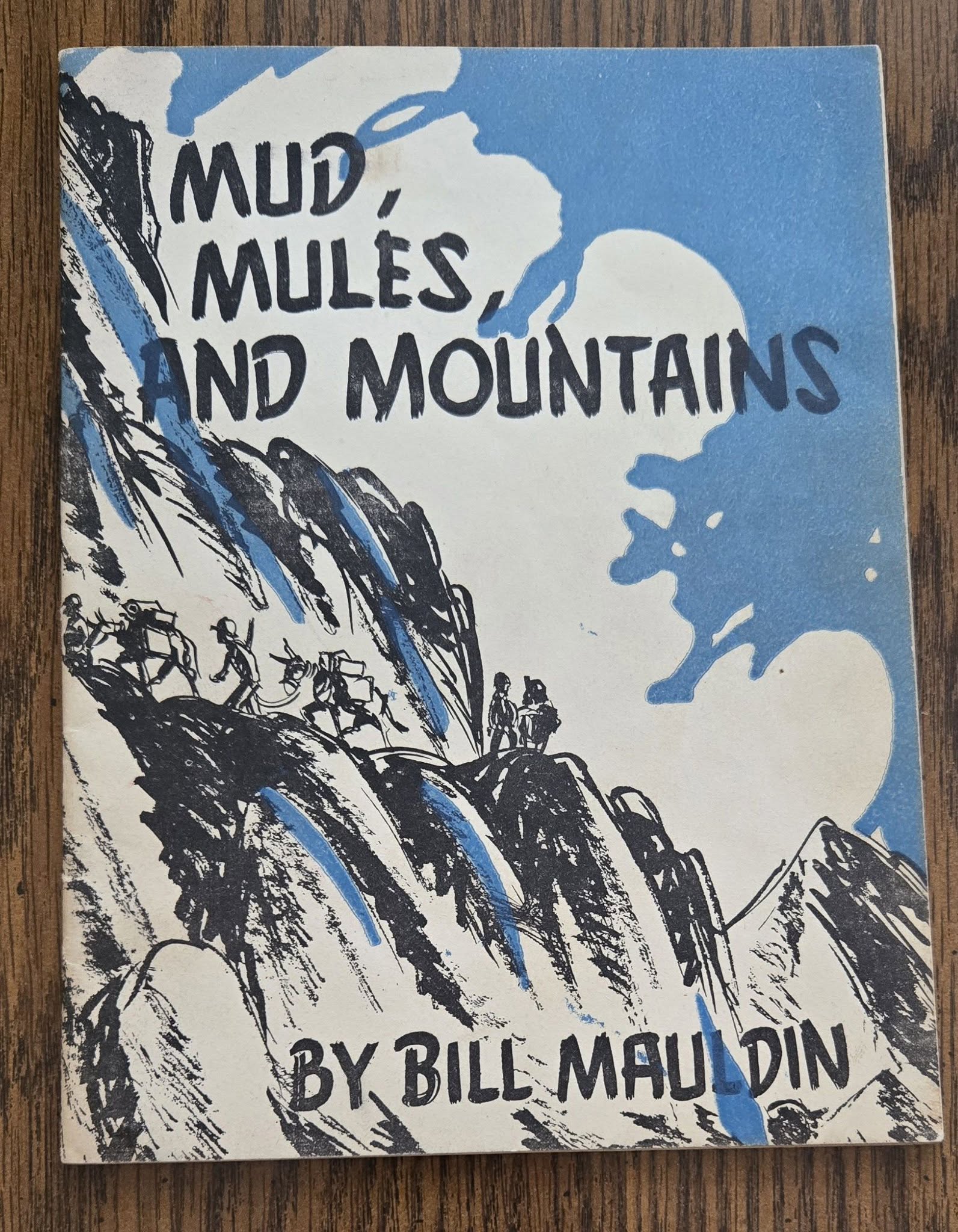
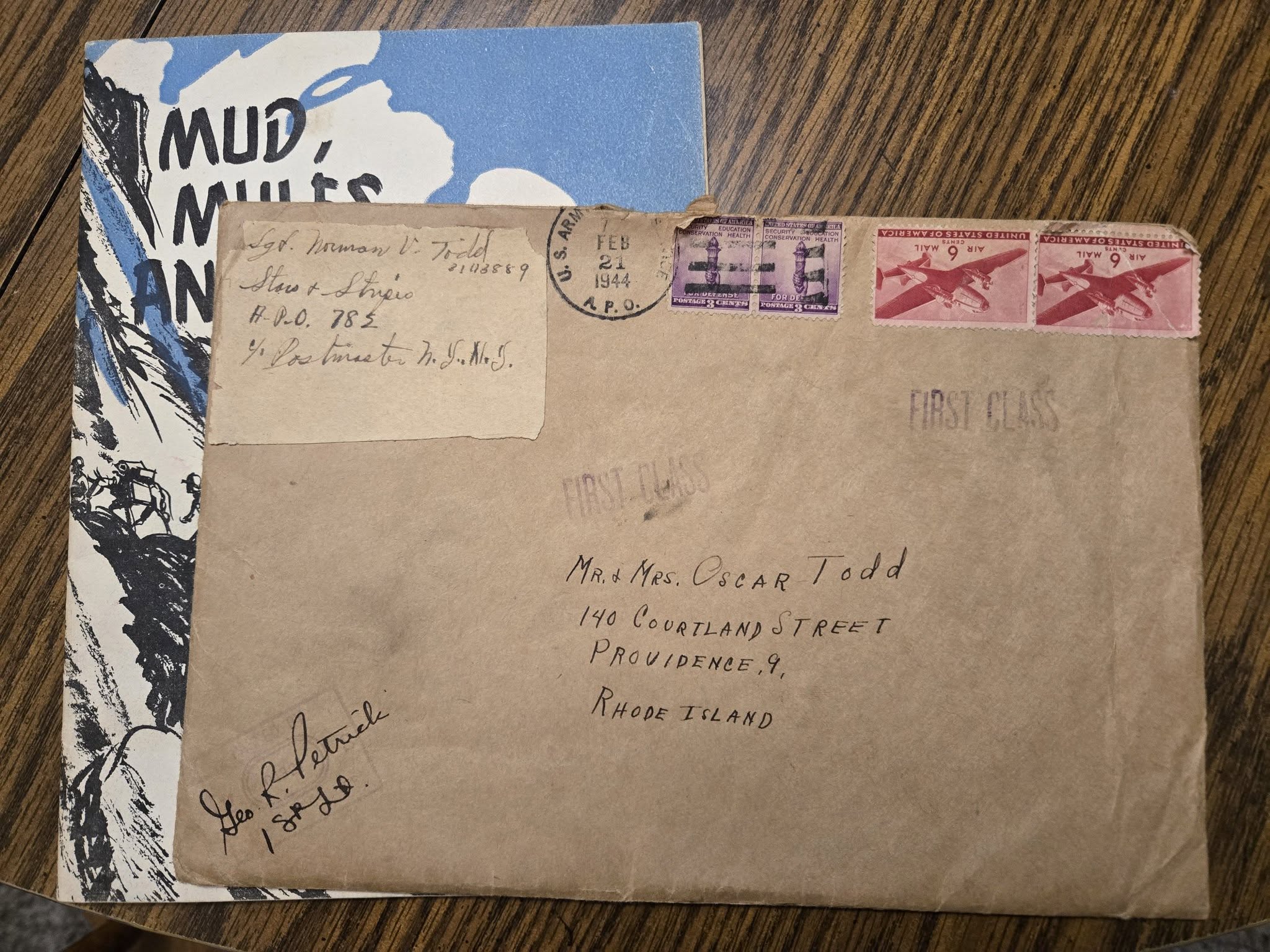
One artifact from my dad had me stumped for a while. It’s a book Dad sent home from Italy during WW2: Mud, Mules, and Mountains, a book of war cartoons by Bill Mauldin. I know I’ve written about him and Dad before. Both Bill and my dad were assigned to the Stars and Stripes, Dad as a typesetter, Bill as the famous cartoonist. Dad told me Bill often had him (Dad) pose for him as he (Bill) drew his cartoons, not to depict the man necessarily but to get the body posture correct.
Bill gave Dad a copy of this book in Italy and signed it. But it wasn’t a simple signature. It was a quick pencil drawing of a man at a linotype machine, as Dad would typically have been. The inscription was to “Tod” rather than “Todd” (though there might be a part of a second “d” there), and Mauldin signed his name. Dad mailed the book to his parents in Rhode Island rather than carry it through a war zone. My grandparents opened the envelope, perhaps read the book, returned it to the envelope, and put it away for safekeeping.
Thus it sat until I found it some time between 1997 and 2022. When I donated copies of the Stars and Stripes to the University of Rhode Island library, I kept the book, believing it to be something special. Recently I read it (mostly pictures), showed it to my daughter (who knew her grandfather), and made the decision that it’s something I shouldn’t keep.
In thinking about how to “dispose” of it, I decided to send it to my nephew, Chris, who still lives in RI. I have a number of photographs to send him, and this will easily go in the larger envelope. Chris is as interested in family history as I am, and he and his boys will enjoy having it. Other family in the area will enjoy getting to see it.
I hope, if Chris ever decides he doesn’t want it, he sends it to the URI library to add to the Norman Todd Stars and Stripes collection. But once it’s his, the choice is his. The gift from me comes with no strings attached.
Is the book valuable? Copies are on sale for $25-30 on Amazon and Ebay. Possibly the pictorial signature adds to the value. I mean, how many people have an original and unique Bill Mauldin cartoon? But, again, that decision now rests with the receiver of the gift.
Thanks, Dad and Bill for passing down this memory to us, and to Oscar and Lilly for preserving it. You done good.
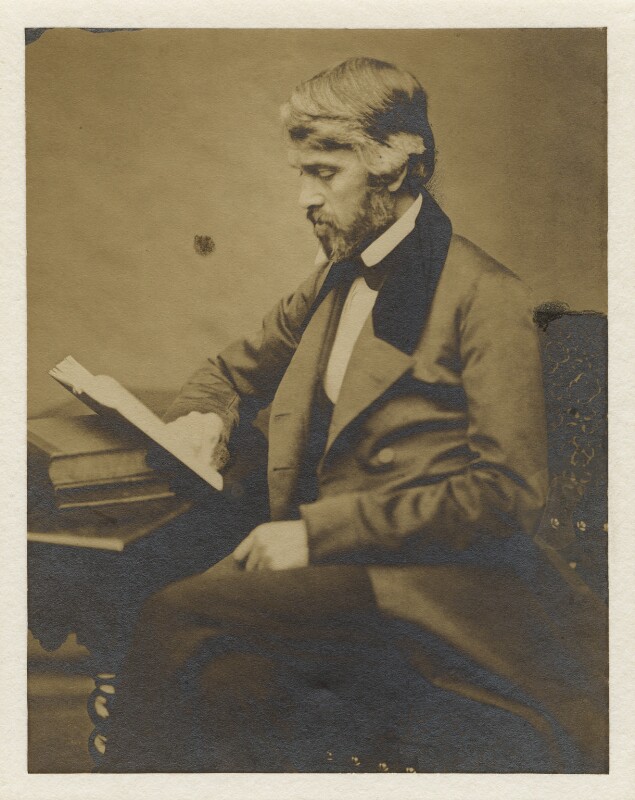
Carlyle in 1855, so nine years after the letter in question.
One of my reading places is The Carlyle Letters Online, which has 11,000 letters written by Thomas and Jane Carlyle. They were active letter writers during the Victorian era in England, and earlier mostly from Scotland. Thomas wrote for a living. He struggled in the early years, picking up encyclopedia hackwork and magazine contributions as he could get them. By around 1840, with the help of Ralph Waldo Emerson championing Carlyle’s books in the US, he had reached a measure of financial comfort. I’ve written other blog posts about Carlyle.
Maybe two months ago, I came across an interesting tidbit in one of his letters and wanted to blog about it. But I faced a dilemma of my own making: how to properly reference the letter and location? Traditional referencing, handed down through various academic organizations, expects you to give the publisher, publisher’s location, name of publication, author name, page no., etc.
I’ve come to believe that’s an archaic way of doing references in the Information Age. Here’s my example. The specific letter I’m interested in was written 8 April 1846 by Thomas to his wife Jane, who was on holiday at a seaside villa. It’s been published in a 4-volume biography of Carlyle by Anthony Froude written in the years after Carlyle’s death in 1881. That biography has been republished, and the letter has been in other collections of Carlyle’s letters. Now it’s available at the Carlyle Letters Online.
Since there are so many potential sources for someone to go to check my work and the quote I’m fixing to give, it seems like the traditional methods of citing sources forces the reader to get a copy of the exact publication the person doing the quote used and find the page. How about we do something like this.
Here’s the letter I want to make the quote from. I find an interesting observation of Carlyle in the third paragraph of the letter. Assuming the paragraph breaks are Carlyle’s own and not the publisher’s [online publisher in this case], why not just cite the source as a particular letter written by Carlyle to a particular person [his wife] and found in a particular paragraph? In this case, it would be:
Carlyle, Thomas; a letter to his wife Jane Welsh Carlyle, 8 April 1846, paragraph 3. Accessed 7 September 2026 at Carlyle Letters Online.
If the quote is from a long paragraph, you can add a letter to designate approximately where in the paragraph the quote is from, e.g. paragraph 3a, or 3b, or 3c…. In this case the quote comes from a relatively short paraph and starts the paragraph, so a letter shouldn’t be needed to clarify the location. The person wishing to verify the quote can look through the entire paragraph if necessary, which is no more work than having to scan an entire page based on the traditional citation method.
Of course, my method will result in the person making the citation having to do a little more work to count up the paragraph and decide on the letter designation, but I think it’s time well spent. Of course, I doubt if anyone at the Chicago Manual of Style or other organizations care about my better way of doing it.
Well, that’s a lengthy introduction. Time to give the quote.
I really wish you could find an eligible House somewhere out under the quiet sky,—removed fairly from these tumults and loud-braying discords of every kind; which it is growing really horrible and miserable to me to spend the remnant of my days among!
Carlyle, Thomas; a letter to his wife Jane Welsh Carlyle, 8 April 1846, paragraph 3; accessed 7 September 2026 at Carlyle Letters Online.
Thomas was at their London home, Jane at some friend’s seaside villa near Liverpool. He was working on the second edition of his book about Oliver Cromwell, she just lazing around and enjoying her holiday. Thomas had asked her to look around for a house in a quiet place they could rent for a season to get away from London’s summer climate.
I must say I sympathize with him. How often do I think it would be nice to get away for a long stretch, not have to worry about home repairs, organization of stuff, other routines. It would be nice, if I could swing it, to have a cook and a house maid. I think we could do without a butler and a footman and a chauffer. We sort of tried that with a four week road trip last summer that included a week on Cape Cod (unpleasant) and two weeks in the Berkshires (very nice). Perhaps we’ll get to do that again some day.
Well, that’s my post for today. Not exactly earth shattering—that is, of course, unless the CMOS sees this and decides to adopt the Todd Method as an alternative way of making citations.
ETA: I see that I also posted about this comment in this letter earlier this year. I forgot about that. Ah, well, it was obviously still on my mind.
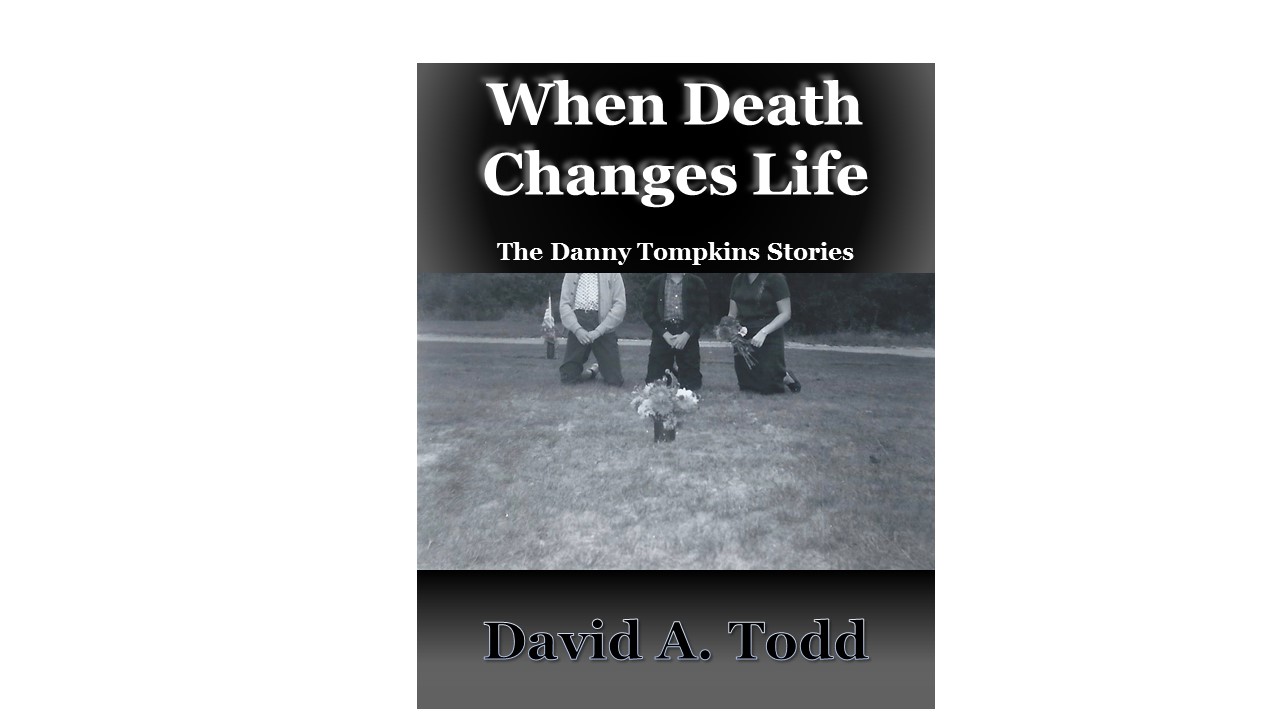
Sold one of these last week, the first one in several years.
Life has been quite busy for a while now, including some family stuff that has taken away much of my free time. Except for minor work on the next book in The Forest Throne series, I haven’t done any writing for a while. I have done a little editing the last two days on the harmony of the gospels I wrote close to twenty years ago to get it ready to share with a friend.
Almost every day the urge to write hits me. A novel. Non-fiction. An essay. Letters. A blog post. Doesn’t really matter. Just let me get back to writing.
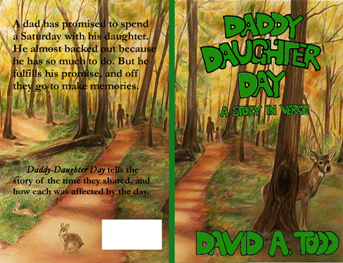
And one of these, same conditions.
But it’s been hard to set my mind to it. I’ve had a little time, here and there in bits and snatches, but at those moments I just couldn’t shift gears from whatever had most recently consumed my time. I took a few notes on paper. I did some organization of what may eventually become my autobiography. I better organized my computer files and folders. I found a good quote in one of Thomas Carlyle’s letters that will serve for a blog post. Ideas for essays passed through my head, and I documented a few.
But actual writing has been almost nil. Last Monday I couldn’t even get my act together to make a blog post. I’ve been wondering if my decision back in June to cease actively trying to sell books has contributed to this writing lethargy. Maybe so. But a few sales in August, despite no advertising of any kind, should have perked me up. Yet, no real writing.
and one of these. Someone dug quite deep into my backlist.
So here I am on Saturday writing a post to go live on Monday. This morning I completed—or nearly did—a project organizing family photos and papers. It felt good to have that done and not hanging over my head. Some home renovations are just about done. One door to be hung whenever our contractor gets to it. That includes a mended bookshelf, which will allow us to finish shelving our books. That will be a good feeling. And a little locksmith work.
I think, to ease back into writing, I’ll go back to that Carlyle letter and see if I can write a meaningful blog post on it for next week’s post. Then I’ll pull The Forest Throne book back up and work on it a little. One grandchild is anxious that I do that. Maybe getting some words on paper, or rather pixels, will be a few what I need to jump start my writing. Maybe September will be the month.
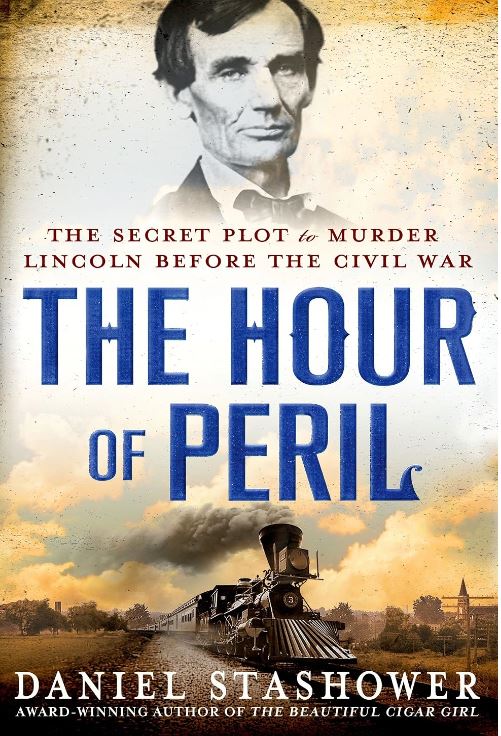
About two or three weeks ago, I finished reading The Hour of Peril. It’s been on my bookshelf for about 10 years, waiting for its turn at the top of my reading queue.
A great read. Helps to round off the history of the pre-Civil War period.
Written by Daniel Stashower, subtitled “The Secret Plot to Murder Lincoln Before the Civil War”, it’s the story about the South’s animosity to Lincoln and various plots—real or imagined—of preventing Lincoln from ever reaching Washington DC to be inaugurated. Lincoln had to go by train into Maryland and through Baltimore.
Maryland was a slave state. They had great fear of what Lincoln might do to end their way of life, that is, their ability to own their fellow human and force them to work for them. Thus, they had such animosity toward Lincoln that many of them thought murder was the answer. This is unfathomable to me, the idea that murder is a solution to a problem. But that speaks to human depravity.
The main character in the book is not Lincoln, but Alan Pinkerton, the famous detective. He was tasked with protecting Lincoln in sort of a pre-Secret Service way. Knowing how the South was, and watching the southern states secede one by one, and anticipating Maryland to follow suit (which they did not do), Pinkerton assembled a team of operatives and tried to infiltrate them. The threats to Lincoln seemed credible, so Pinkerton employed some subterfuge to see that the president elect arrived safely. We meet many of those operatives as the book unfolds, along with some who spoke openly of wanting to murder the president-elect.
The book is excellent. An interesting and easy read, it starts somewhat slowly. We are expecting to see Lincoln in transit, but instead we get a lot about Pinkerton and how he got to the point by 1861 where he would be protecting the president-elect. But the historical build-up is good. Some people want to just focus on Lincoln and forget that there was a team around him, the forerunners of today’s “handlers.”
If you prefer shoot-em-up action, this isn’t the book for you. But if you like learning about details of historical events, by all means grab a copy and read this.
So I give this an enthusiastic 5-stars. But, alas, it is not a keeper, and is already in the donation box, giving way for some other book to show prominently on my shelves.
The school year has started here in Texas. The summer lack of routine has been replaced by rigorous new routines. I’m not 100 percent sure of what my role will be this year, but I assume it will include some pick-ups and drop-offs. I’m ready to be busy with it. Meanwhile, some things going on:
One major project done is replacing our tub with a walk in shower. That perhaps should have been the first thing we contracted to do, but it’s done, and we are enjoying the greater safety it give us.
One book read (review coming next week), one new read started. It’s 602 pages—a tome, but it promises to be good. I anticipate two months to finish it.
Had our first automobile servicing in Texas. Not a pleasant experience, as it took 4 hours for an oil change and multipoint inspection. Now weighing my options for where to go next time.
My echo cardiogram and follow-up are this week. Routine, I think, as the new cardiologist is getting to know my surgically altered heart.
We still need to get our Texas driving licenses. I’m thinking next week or the week following.
We registered to vote in Texas, but never received anything in the mail acknowledging that. Will follow up this week.
The same with the IRS and their new requirement that they don’t send out checks for refunds. I don’t want to give the IRS my banking information. Is that wrong of me—or paranoid?
The mass of photos we’ve been dealing with are slightly reduced, as I’ve returned some to family and friends. I wish I could see the end of it, but I can’t.
But I have improved the labels on a lot of boxes, so that when I look in the closet, I can more easily tell where loose photos are to go.
I think that’s enough for this post. I think I have a letter to write. Or maybe it’s a book to work on.
I really wanted to read this, but found it impossible to get through.
Normally when I do a book review, I do it in a separate post, trying to say what I found good about it, what I found bad, and making a recommendation on whether I thought it would be worthwhile for my readers to read. I’m breaking that pattern with this post, however, and discussing two books, books I tried to read but failed to finish. Both of these books are already off my bookshelves and added to the donation box.
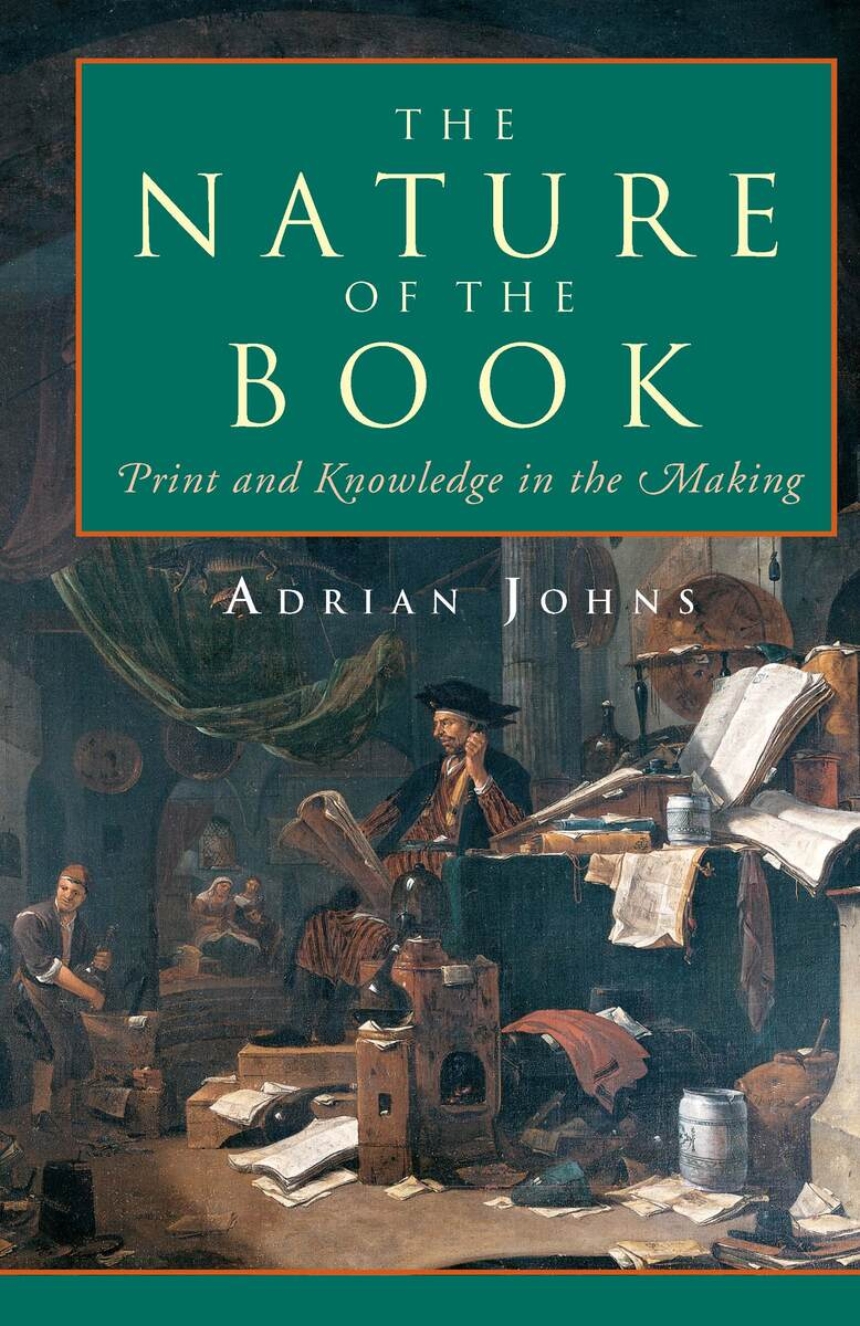
One of these is The Nature of the Book by Adrian Johns. I bought this book new in 2010. We were on a trip to Yellowstone. One afternoon as the rest of our party were resting, I sought out a bookstore/coffee shop, found one, and bought this book as being probably of interest. I read maybe twenty pages over the next week, found it to be terribly academic and tedious, and laid it aside. A few weeks ago I scanned my shelves for something to read that I would then get rid of. This popped out, and I decided to give it another chance.
Alas, after fifty or more pages of its 610, I found it just as difficult as before. It goes into great detail of how Gutenberg’s printing press and moveable type forever changed the dissemination of information. Yes, I know that’s true, but I guess I don’t need 610 pages of academic nonsense to tell me that. My advice is don’t bother with this book.
I gave it three tries; I’m done with it. Sorry, C.S.
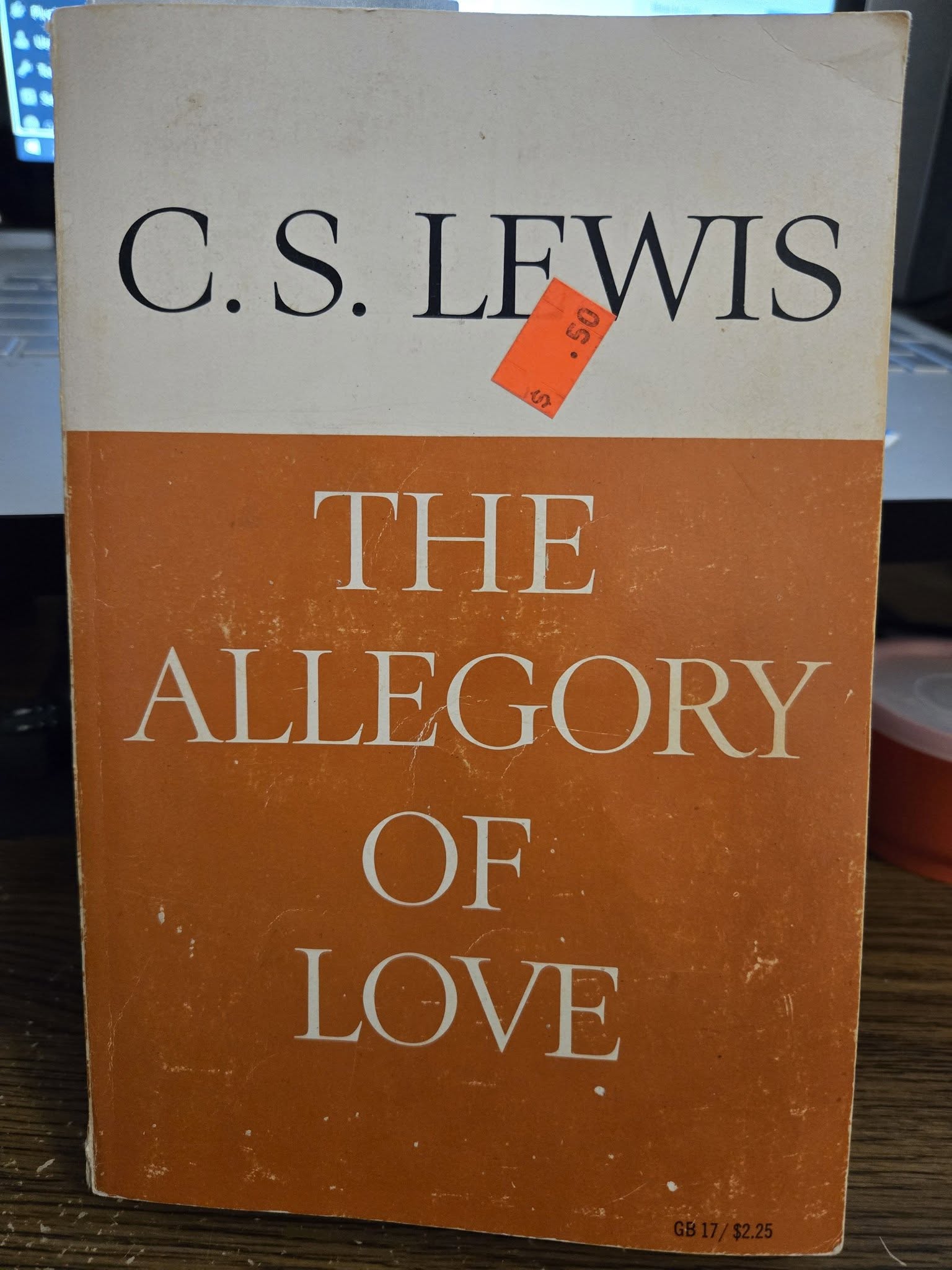
The other book I’ve blogged about before here and here. It’s C.S. Lewis’s Allegory of Love. After getting through the first two-thirds, I set it aside for a more opportune time. That time came; I picked it up again. I finally got to Lewis’s analysis of Spenser’s The Fairie Queen, which I had sensed all the rest of the book was pointing to. I was looking forward to it.
Alas, it was, if anything, worse than the first two-thirds. I could understand almost nothing Lewis wrote. I read some of his extensive quotes from Spenser’s epic poem and found it incomprehensible. Twenty pages more and I laid it aside.
Unless you already love English literature from pre-Shakespearian days, don’t bother with this.
A good book for your middle grade child or grandchild to read.
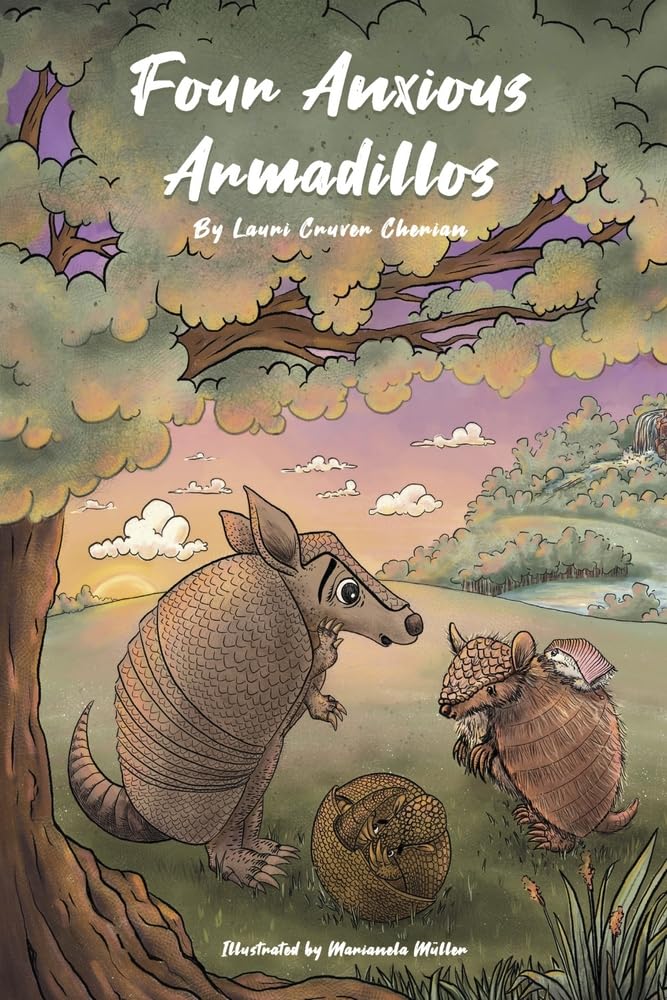
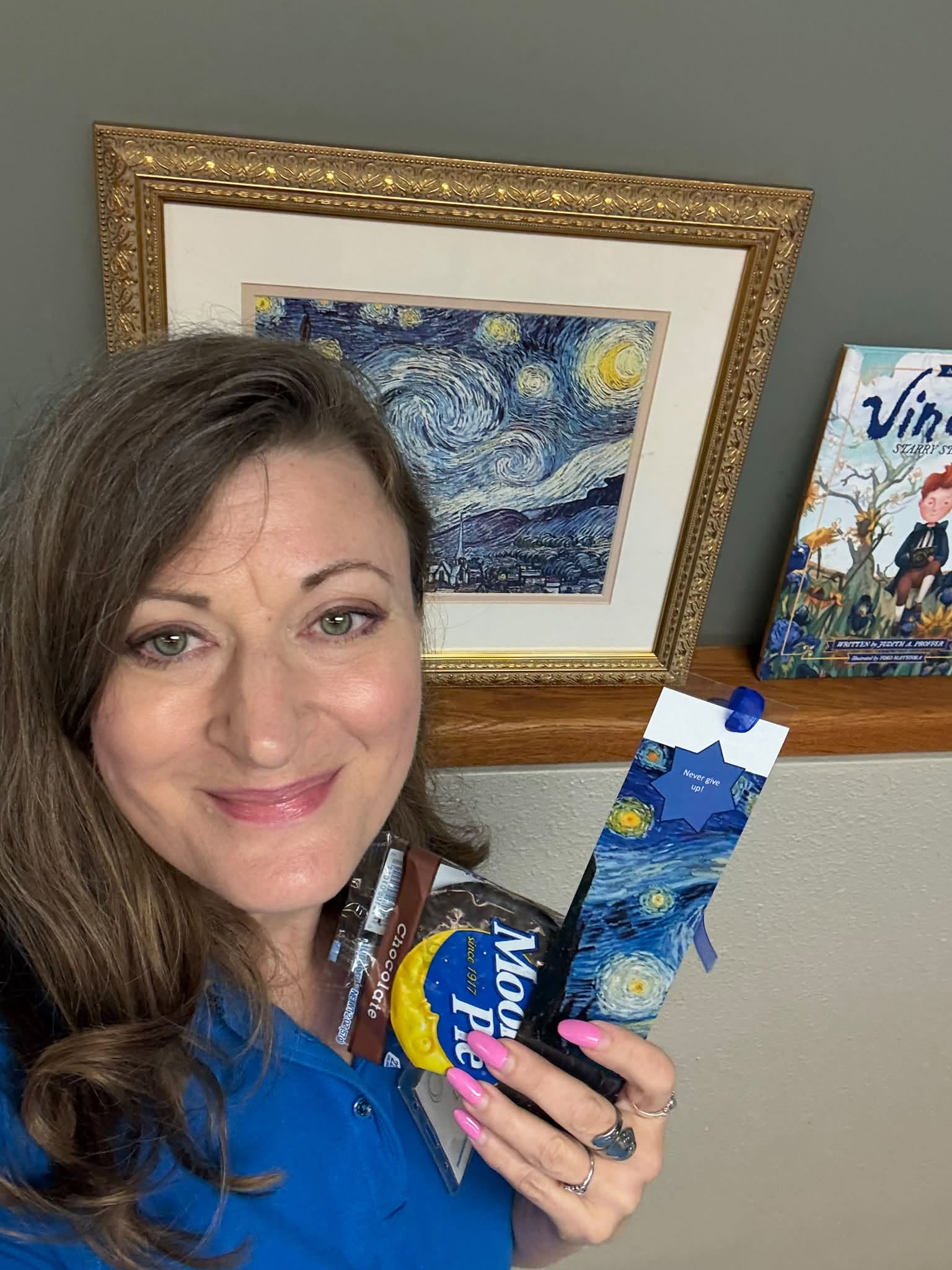
In a recent post, I mentioned having taken out a library card in Lake Jackson and checking out some books. One of the books was by a Lake Jackson author I know, Lauri Cruver Cherian. The author of four books, the particular one I was interested in was Four Anxious Armadillos. It’s a middle grade book. Hence I’m not really in the target audience, but my youngest grandson is. I checked it out for him, but I wanted to read it too.
Four Anxious Armadillos is the story of Nilda, a nine-banded Armadillo who is in the Amazon rain forest, but senses she is in the wrong place. She longs to see the grasslands of South America and heads in the direction. But she is anxious. When she encounters uncertainty, she follows her natural instincts, jumps four feet into the air and, instead of landing on her feet, lands on her back and is helpless. Before long she is helped by a sloth, who also gives good advice for the journey ahead.
Author Lauri Cruver Cherian
In that journey, Nilda encounters three other armadillos, who join her on her trek. They are of different armadillo species. Each of them has a different inherent trait for dealing with danger or simple anxieties. Each of the four armadillos learns how to use their natural trait in a helpful way.
The book is an easy read for a child of around 8 to 10. The age of interest may be a little broader than that. Since it is based in South America, the book includes many snippets of Spanish. These are mostly explained in the text; if not, a glossary in the book translates them. I generally did not have to understand the Spanish to understand the text. Also in the book are discussions of the animal species in the story. Each chapter includes a nice illustration.
I finished the main book in two days and the appendices in one more. My nine-year-old grandson, who is somewhat hyper, read about the first half and put it down. Thinking he was uninterested, I returned it to the library. A couple of days later he said he would have finished it. I hadn’t accounted for his difficulty in concentrating. I hope to take him to the library soon to finish it.
I rate this book 5-stars for those in the target age range.
Three collections of letters moved from to-do to done—or maybe not.
Having recently given up reading two books (which I will report on later), I have only random thoughts on my mind upon which to build this post. Here goes.
We are having a workman come today to make repairs to the screens on our screened-in patio. One screen panel is completely loose, two others appear to be at the point of coming loose, two have slight tears in then, one needs some caulking, one door has a closer that needs replacing, and the other door is sagging, leaving a gap. A few years back I would have attempted these repairs myself, but no longer. This workman will also be converting our tub-shower into a walk-in shower. We aren’t quite ready to do that yet, but might be in a day or two.
I may finally replace my 10-year-old laptop with a new one. I’ve been putting this off for as long as possible. Our oldest grandson needs a powerful one for his first term of college, and I’m hoping we can get a better price on a two-computer order. I may scoot up to Best Buy today and see what this will set me back.
I spent a good part of last week getting caught up on my checkbook and the family budget. Yes, I still balance my checkbook and keep a budget. I have a little more to do on these, which I think I can finish today. At that point I’ll be ready to…
start some new writing. It will almost certainly be Vol 3 of The Forest Throne series. Though possibly I’ll work on another piece first before I get into that. New creative writing will feel good after a long time working on Bible studies and editing collections of letters.
Also hoping for some good reading time this week. I began a new book yesterday, and it looks like it will be a good read.
This morning I spent a fair amount of time on computer file organization, making good progress. Ready to scan some photos and save them for posterity.
Other than that, the main thing I have to do is deal with an IRS letter that says I did my taxes incorrectly and they owe me money. That should be top of my list but I’m having trouble dealing with it.
In reading, I’m working on about three things. One of these is the Carlyle Letters Online. I found a good quote in a letter Thomas wrote to his wife, Jane:
…I really wish you could find an eligible house somewhere out under the quiet sky,…
8 April 1846, TC to JWC, par 3A.
Thomas was in the last week or two of shepherding the 2nd edition of his book on Oliver Cromwell through the editing and printing process. And he was sick of it. He needed a break and wanted his wife to find them a house away from London, “somewhere out under the quiet sky.” As the rest of the letter makes plain, it could be for the summer or for good. Carlyle was finally making money and probably no longer needed to be in London to be near the publishers.
I can so relate to this. I just finished editing and publishing the third collection of letters in a row. It’s taken me over a year, actually the better part of two or three years. Copies of the last two arrived today. I immediately thumbed through the two books, looking for layout errors, then read the Introduction of each. What did I find. An error in each book! In the first couple of pages. In one book I used the word “prosperity” when I mean “posterity”. In the other I have “thin” where I meant to type “think”. Am I really that bad of a writer/editor?
But I’m so sick of these books, I don’t know if I have the mental strength or stamina to make the changes, let alone read the entire books looking for other needed corrections. I really want to move on to something else. I could see myself in the house somewhere under a quiet sky, reading and writing, a little bit of editing and publishing.
But I don’t really expect that to happen. There are still photographs and papers to sort through, pictures to hang. Driver licenses to get and cars to see to maintenance on.
 The days of routine continue, with occasional shake-ups.