In my last post I wrote part 1 of a two-part review of John Locke’s Two Treatises on Government. I said I would do the next part soon. However, soon is not today. Instead, I’m going to write about what I’m writing, and what I’m preparing to write.
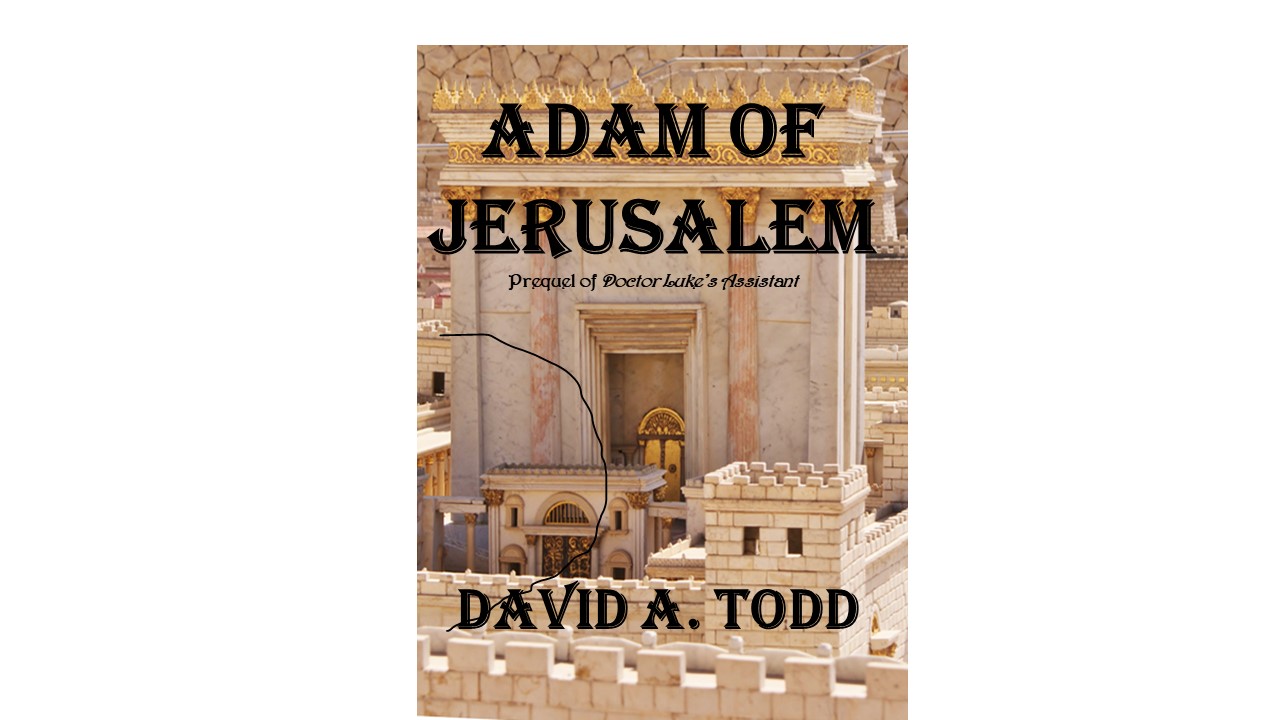
I have two books in progress, one complete and being edited, one being written. The first is Adam Of Jerusalem. I finished this in mid-December 2018, let it sit a few weeks over the holidays, then began editing in mid-January. I think those dates are right; it’s all kind of blurry without looking at my diary. I’ve made three editorial passes, and given the book to three beta-readers. I have figured I would publish it then.
But, in January I joined a newly-formed writers critique group. I decided to run AOJ by them. They didn’t like chapter 1 in January or chapter 2 in February. Not enough description they said. Too much getting from point A to point B without flourishes. Alas, that must be the engineer in me.
So I went through these two chapters looking for places to add some description, some of what I call extraneous information that gives the reader a better experience, that makes them feel like they were there when the action was taking place. It caused chapter 2 to increase in length 25 percent. If I did that for the entire book, the novel would go from 72,000 words to 90,000 words. That’s not awful, but I would have to think about that.
Still, I decided to go on with this for a few more chapters at least. Last night I re-edited chapter 5, having completed 3 and 4, and found a number of places to add those flourishes. I’ll type these last edits sometime today and step back and see how it looks to me. I imagine I’ll go on with this while waiting on beta-readers to get back to me.
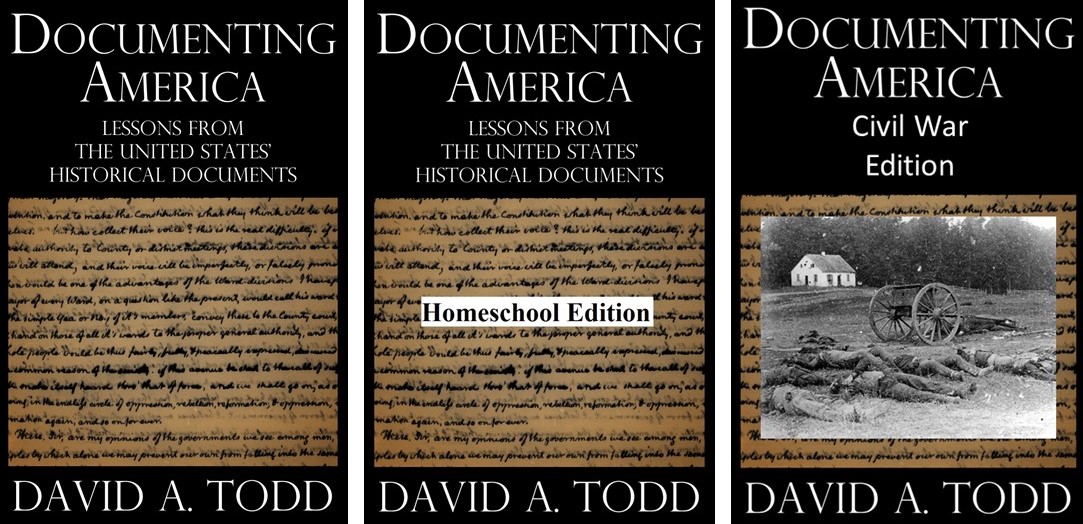
Then, my current writing project is Documenting America: Making The Constitution Edition. I’ve written about this series before many times, and this particular volume. At some point, around February 12, I began gathering source documents and completed the editing and writing of one chapter on February 18. Yesterday I completed the twelfth chapter (out of 31 or 32) and edited the source document for the thirteenth. I did that in the evening in manuscript, so will be typing that today.
Meanwhile, as I work on DA:MCE, I’m coming across material I realize I can use in a future edition. I don’t know what I’ll do next. The choices are many. I read some inspiring, early abolition works, and thought that a volume on the abolition movement might be good. So I created folders on my computer and began seeking out source documents for that. I’m a long way from doing anything with this book, but maybe, just maybe, I’m starting it the right way. Except, I should start a writing diary for it, even if it will have major time gaps in it.
One other project that I’m (somewhat) actively working on is a Bible study I developed and taught some years ago called Sacred Moments. It’s a study of the sacraments and the importance of them in the life of the Christian. They are sacred moments. I had a little trouble finding the files I created on that years ago. On a shelf in my closet, in an unmarked, green three-ring binder, I found the paper copies—preserved in sheet protectors, no less. Digging around in files transferred from an old computer, I found the computer files. I transferred them into my cloud storage.
I have no schedule for working on Sacred Moments. I feel I must do more research if I’m to publish it as a Bible study. It will be the first of those critters for me, and I would want to do it right. I did lots of research before, and even some after, but too many years have passed since I developed and taught it, so I’ll have to re-do some of that research.
That’s pretty much it. One other, more minor, task I want to work on soon is to get my ideas notebook in shape. I found it this week, on that closet shelf. I can’t remember the last time I looked at it. I’m thinking that may be a Sunday task, with a mug of coffee, in the sunroom.