We move from NW Arkansas to Lake Jackson, TX either Jan 31 or Feb 7. Or maybe a day either side of that.
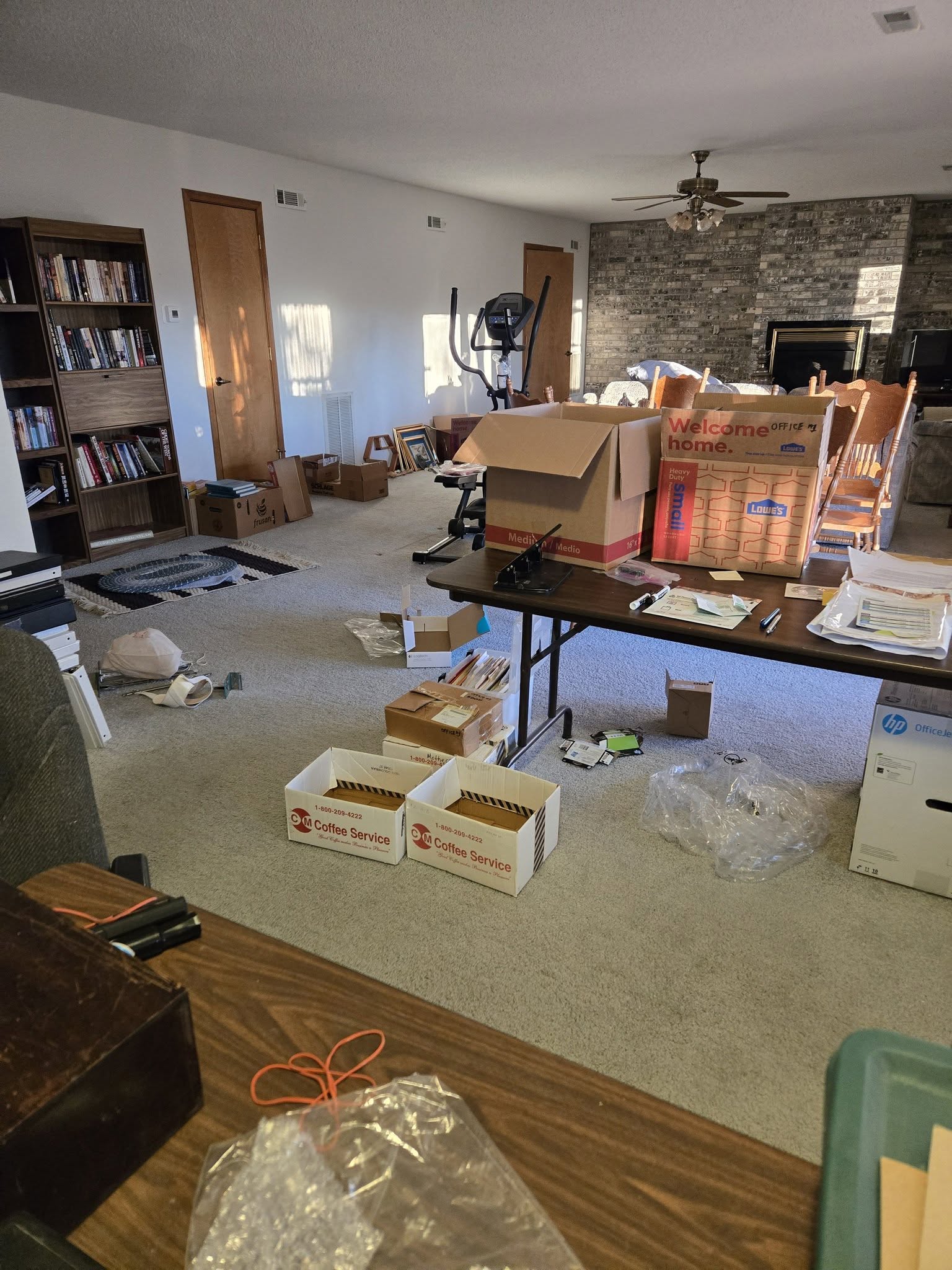
Where there once was a little organization there is now chaos. Where there was once order there is now…something, I suppose disorder is a good enough word.
But where there used to be areas jammed with stuff, there is now much less stuff. It may all be in disarray, but a lot of stuff is gone. Some was taken to Lake Jackson before Christmas. Some has been tossed out. Paper and cardboard have been recycled. One refrigerator was emptied and moved, the other is much reduced in contents as we consume what was in it. I wonder why we ever bought a 3-lb bag of frozen blueberries. They will be fully consumed by tomorrow. I took a package of what I can only call mystery meat out of the freezer last night. We’ll see shortly if it’s thawed enough to know what it is, and if we’ll be having it for supper tonight. The pantry is bordering on empty now, although there’s enough canned goods left to give us some interesting meals the rest of the way.
I’m not sure whether I’ll find the time to post again this side of the move, but maybe next Monday.
Editing completed 1/5; hope to publish not later than 1/15.
Having posted a year in review for life in general, and a year in review for my writing activities, it’s now time to post writing plans for the new year. But should I call them plans? I’m in the midst of a move from Arkansas to Texas, a major life change and disruption. Can I even make plans, given all that’s going on? I’m not going to get a lot done for the next month, and even a couple of months after that, I’ll be busy setting up the new house, finding doctors, learning how to do without CATV, etc.
But I have to have a plan. Perhaps I call it dreams, aiming very high, but probably having to settle for something less. First, I’ll type out my projects in progress, then move on to dreams.
Finish editing Vol. 7 of A Walk Through Holy Week and publish it. As of today (I’m wring this Friday evening for posting on Monday), I have two chapters to edit. Then a week of formatting and doing publishing activities. Hopefully I’ll have this published by Jan 15. Update Monday 5 Jan: I just finished the last edit. Next will be publishing tasks.
Do the final editing and publishing tasks for Vol. 8 of A Walk Through Holy Week. That will finish the project. All eight volumes will be published, and I can look toward promoting the series.
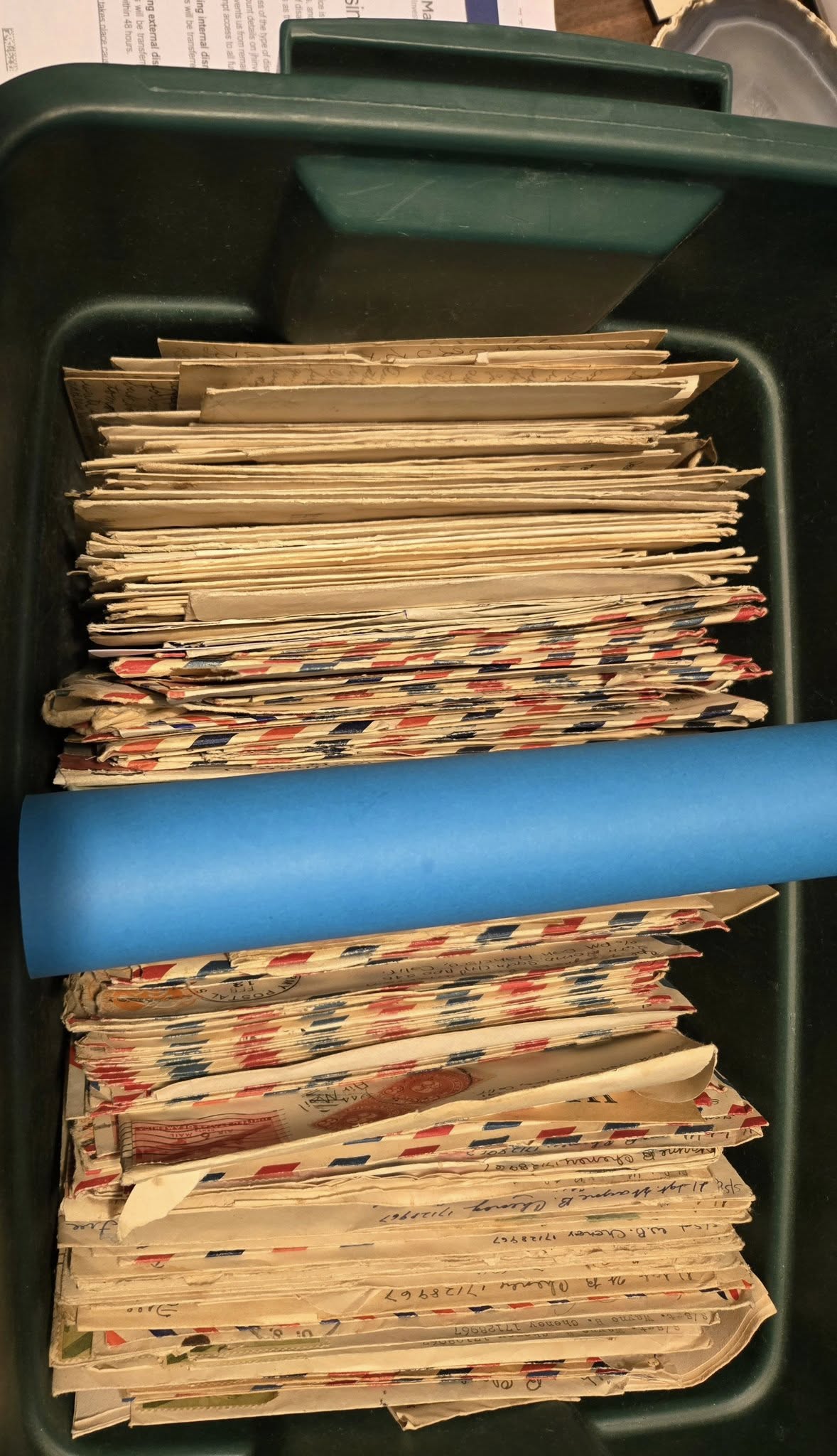
Finish transcribing my father-in-law’s, Wayne’s, World War 2 letters. I’m able to do two of them a day before fatigue sets in. As of Friday, I have thirty letters to go. That means I should finish the transcribing in mid-January. Then I’ll put the book together, combining the letters into one file, synchronizing his war journal with them, and publishing it as a book. I don’t know for sure how long this will take. The war journal is typed but not yet digitized. So I’m not going to put a timeline on this. Plus, this is just a project for family and the hometown museum, not with commercial intentions. So there’s no real deadline. If I find the time, I’ll try to combine the letter files into book format before the end of the month, and be ready to work in the journal once my office is set up in Texas.
The clean-up and organizing prior to moving has resulted finding more letters from our years as expatriates in Saudi Arabia and Kuwait. So I need to republish those books. Plus my family asked me to add more photos to the Kuwait book. So I’ll do that in odd moments during the year. My loose deadline is the end of the year for these two projects.
At some point in the year, I want to get back to writing on The Forest Throne series. Two volumes are published, and two more are planned. These are short, middle-grade books that will be somewhat quick to write. However, I don’t think I’ll put any deadline on this.
One other project that is somewhat pie-in-the-sky, is the story of my maternal ancestry. I’ve made some amazing discoveries as I’ve researched my ancestry. Many people have told me I need to write it down to preserve it. So I finally made a start at it. Tentatively titled Stories, Secrets, Legends, and Lies, I’ve written 2580 words in it. Once again, this will be a book for family, not for commercial sales. It’s also a type of book to be written when the spirit moves, rather sitting down and working on it day by day.
There are other things on my writing projects list that I could mention here, but I seriously doubt I can complete everything included in this post. I’ll have to come back in a couple of months, see where I am, and modify the list accordingly.
Measured by books published, 2025 was a good year.
Measured by book sales, 2025 was an okay year.
Measured by new writing, 2025 was a so-so year.
As with my last post, I’ll do this by bullet points.
I started 2025 having just had a seizure, and not really feeling like writing—or really doing much of anything. Another seizure in April interrupted whatever progress I was making. I would wake up each morning, not feel like writing, or stock trading, or much of anything. I did a lot of what I call “file maintenance”—that is, organizing computer files to eliminate duplicates, putting the files in the right place, changing the names to descriptive names. This is a lot of what I did in in 2025.
I published Vol. 1 of my Bible study series, A Walk Through Holy Week, in early 2024. I had volumes 2-8 written by the end of 2024. They were only awaiting final editing and publishing. I managed to do that for Vol. 2 and published it on March 22. Vol. 3 followed on March 28. Both of these required little work except formatting and final creation of the e-book and paperback. Vol. 4 came out on May 1st, Vol. 5 on Sept. 5, and Vol. 6 on Oct 31. Vol. 7 is close to ready. Volume 8 is within a week or two of being published. That will finish the series.
The work is published, though due to finding additional letters I’ll have to edit and republish it.
The only other book I published was The Saudi Years In Letters, the collection of letters from our time in Saudi Arabia, 1981-1983. This was mainly for family members. Alas, I have since found another dozen letters to add to it, and will have to re-do it.
My total book sales for the year were only 238. That was with no author events. That was my third best year, but well below 2024’s 326 sales, my best year. My historical-political series, Documenting America, continues to sell many more copies than anything else.
I have another three to five days of editing on the seventh in my Bible study series, then maybe a week of formatting and file creating. I hope it will be published by Jan 15. After that, I’ll be hot and heavy in moving from Bella Vista, Arkansas to Lake Jackson, Texas.
I’ll do one more post in this series, on my writing goals for 2026.
Snow greeted our year, but my doctor said I shouldn’t shovel it.
A year such as 2025 can most easily be shared as a series of bullet points.
We began the year in Worcester, Massachusetts. This was a five-day trip by air, delayed a week after I suffered a seizure with ER visit on Dec. 22, 2024. We visited our son and his husband. It was a good trip, during which we celebrated my 73rd birthday and New Year’s Day rather than Christmas.
Charles was in good spirits before his brain surgery.
In February, our son, Charles, had brain surgery due to the seizure he suffered in Oct 2024. We flew back for the surgery. The surgery was successful, and his recovery was much more rapid and complete than the most optimistic expectations.
In mid-April, I suffered a second seizure, of about the same severity as the first one. This left my speech further impaired than it had been after my two strokes in 2024. But except for speech, I seemed to have no impairments from the seizures.
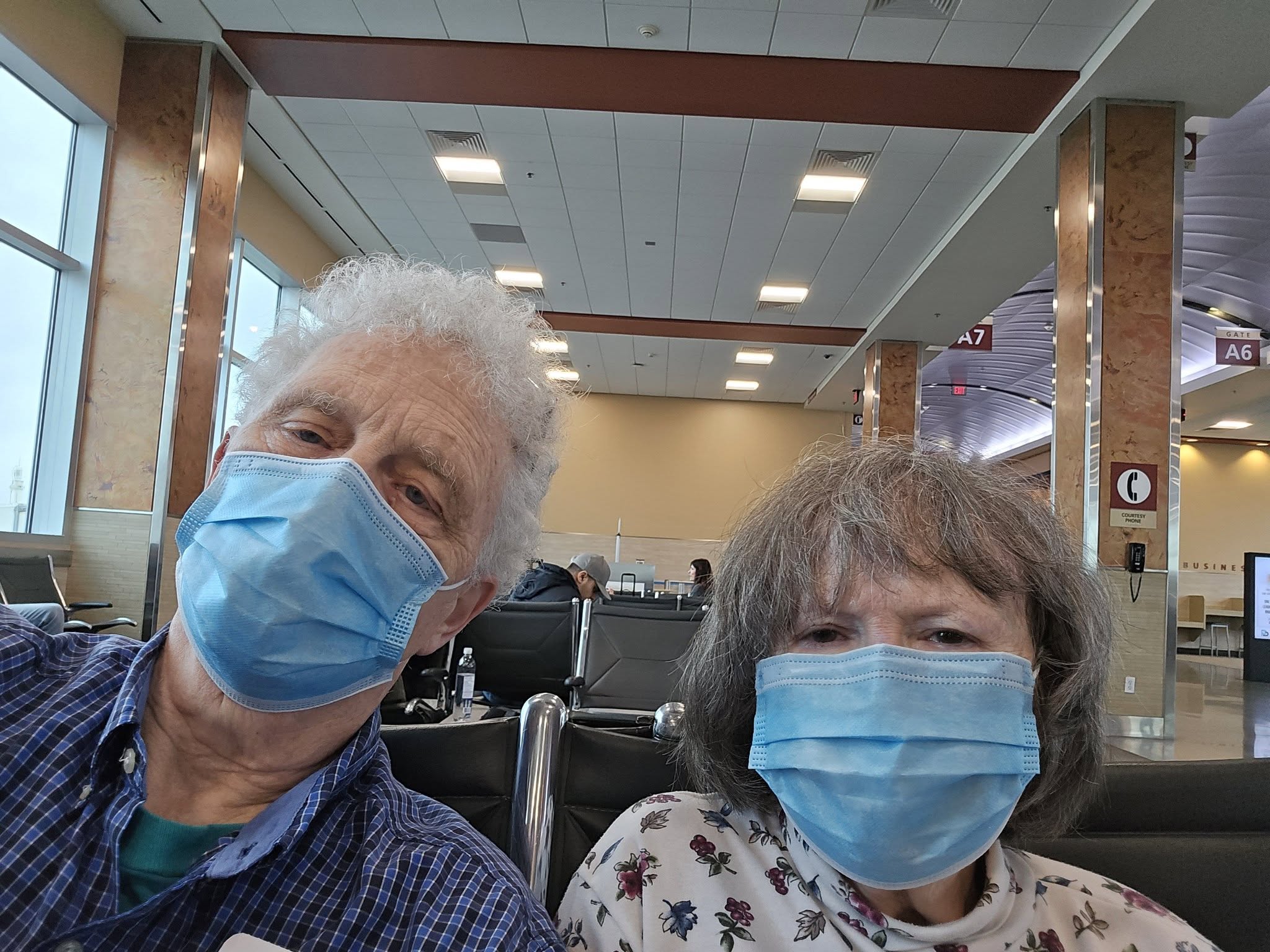
We traveled masked so as not to infect Charles.
I completed out-patient cardio rehab in March. Recovery from my Sept 30, 2024 open-heart surgery for valve replacement has been good. I get a fleeting pain once in a while, but all in all I’m glad I went through with the surgery and pleased with the results.
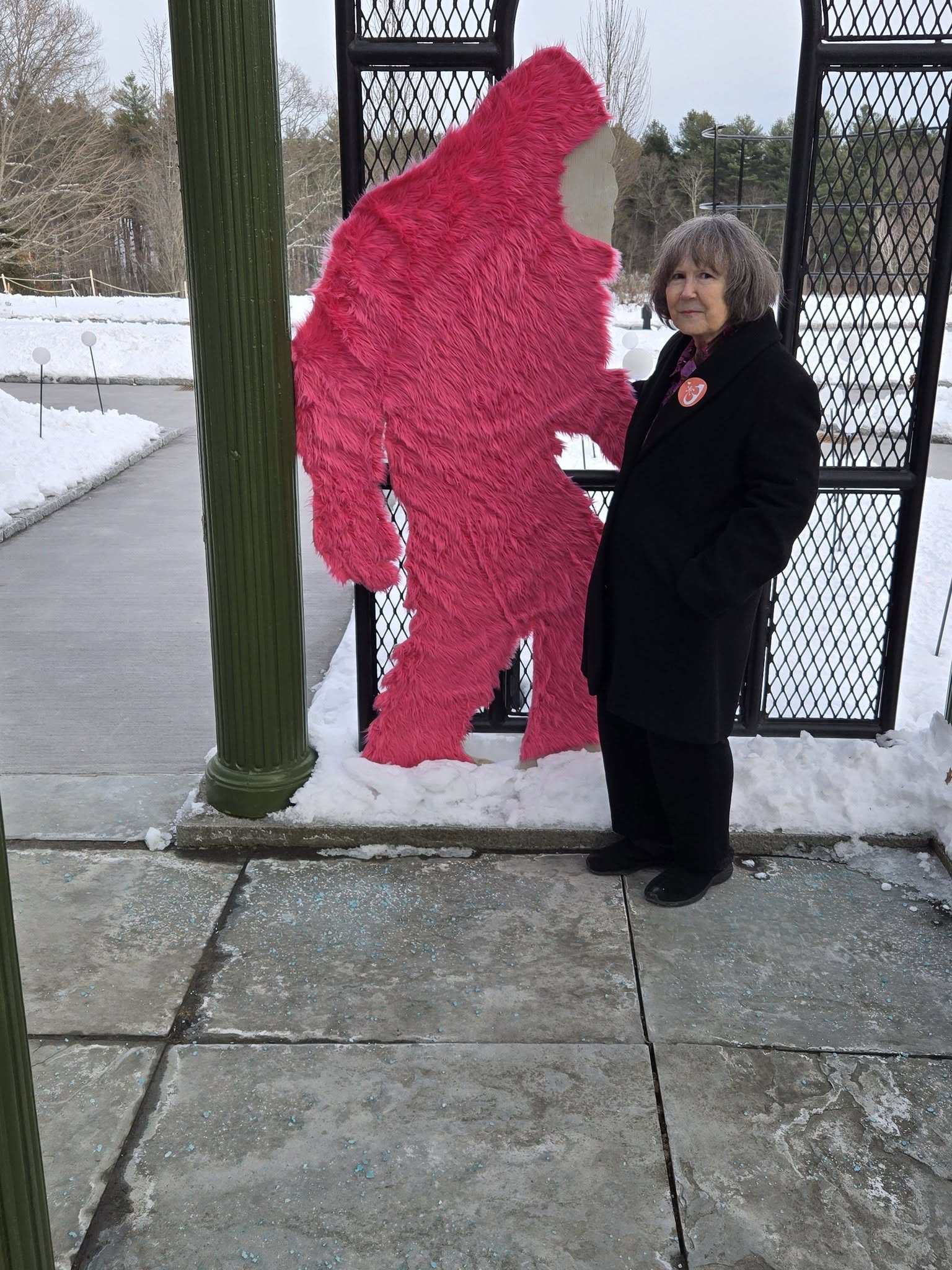
You never know who you’ll run into in Worcester.
The months of April-May-June-July were mainly taken up with decumulation tasks and yardwork. My blackberries did well. But I made only one cobbler and didn’t come close to picking all the berries. I lacked strength to do all the work required. Consequently…
…I did no stock/options trading until almost the end of May. Of course, that means I had almost no exposure to the wild market gyrations of Feb. and April.
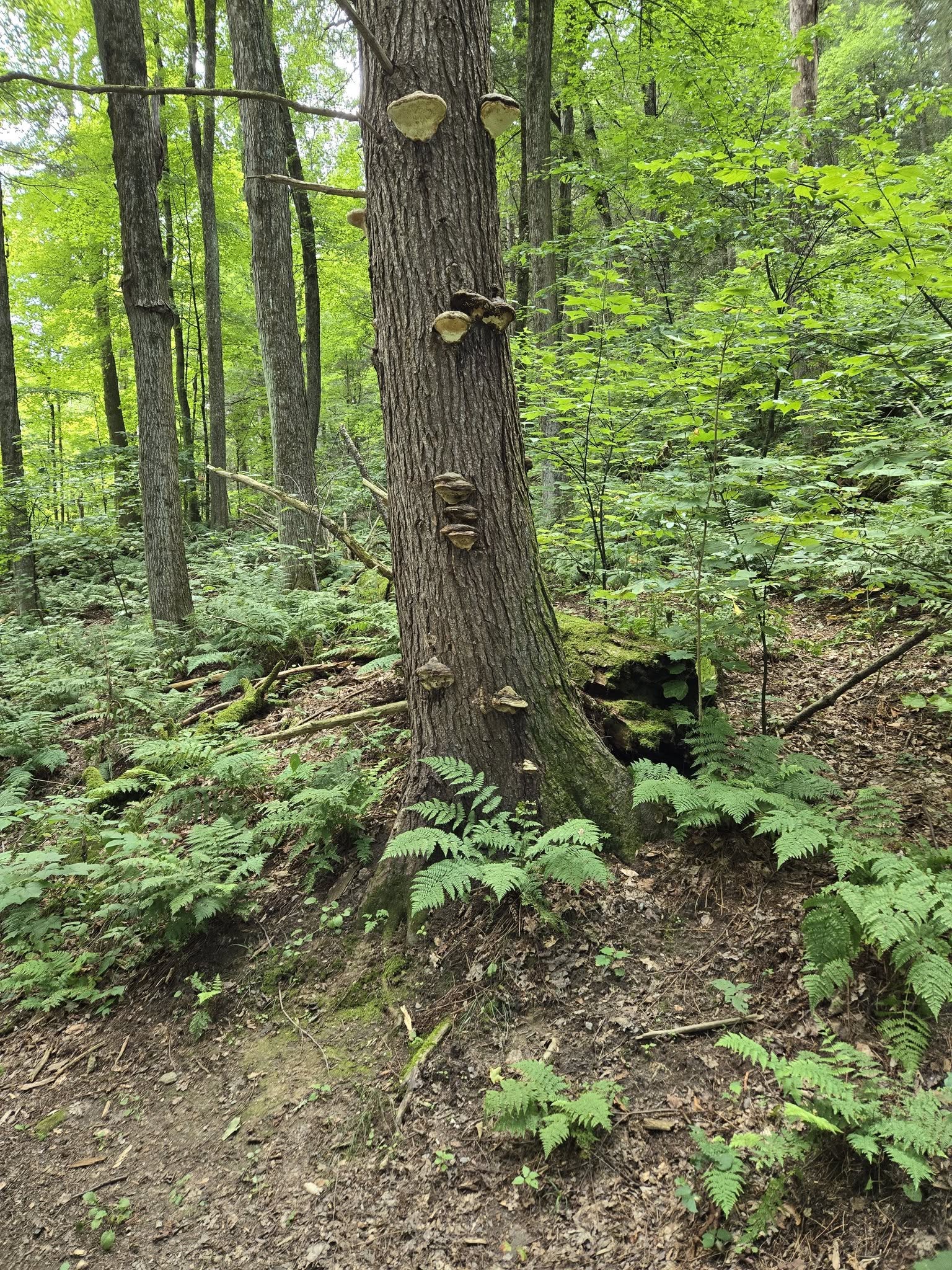
The Berkshire woods looked a lot like our Ozarks woods.
We decided to get away for a while, and built an almost 4-week road trip in August around my 55-year high school reunion. We spent a few days in Rhode Island with friends for the reunion, then a week on Cape Cod that included excursions to Provincetown and Martha’s Vineyard, then two weeks in the Berkshires, just enjoying our resort, taking easy hikes, walking the resort grounds, and doing a few tourist things. On the return drive, we spent two days at the Columbus OH zoo, which Lynda had wanted to see for several years due to its connection with Jack Hanna.
We decided to drive to Lake Jackson, Texas in early October to visit Sara and her family. We hadn’t seen them since Thanksgiving 2024. We got to attend cross-country races and other things. It was an enjoyable trip, which we thought might be the last for the year. However, three more adventures awaited us.
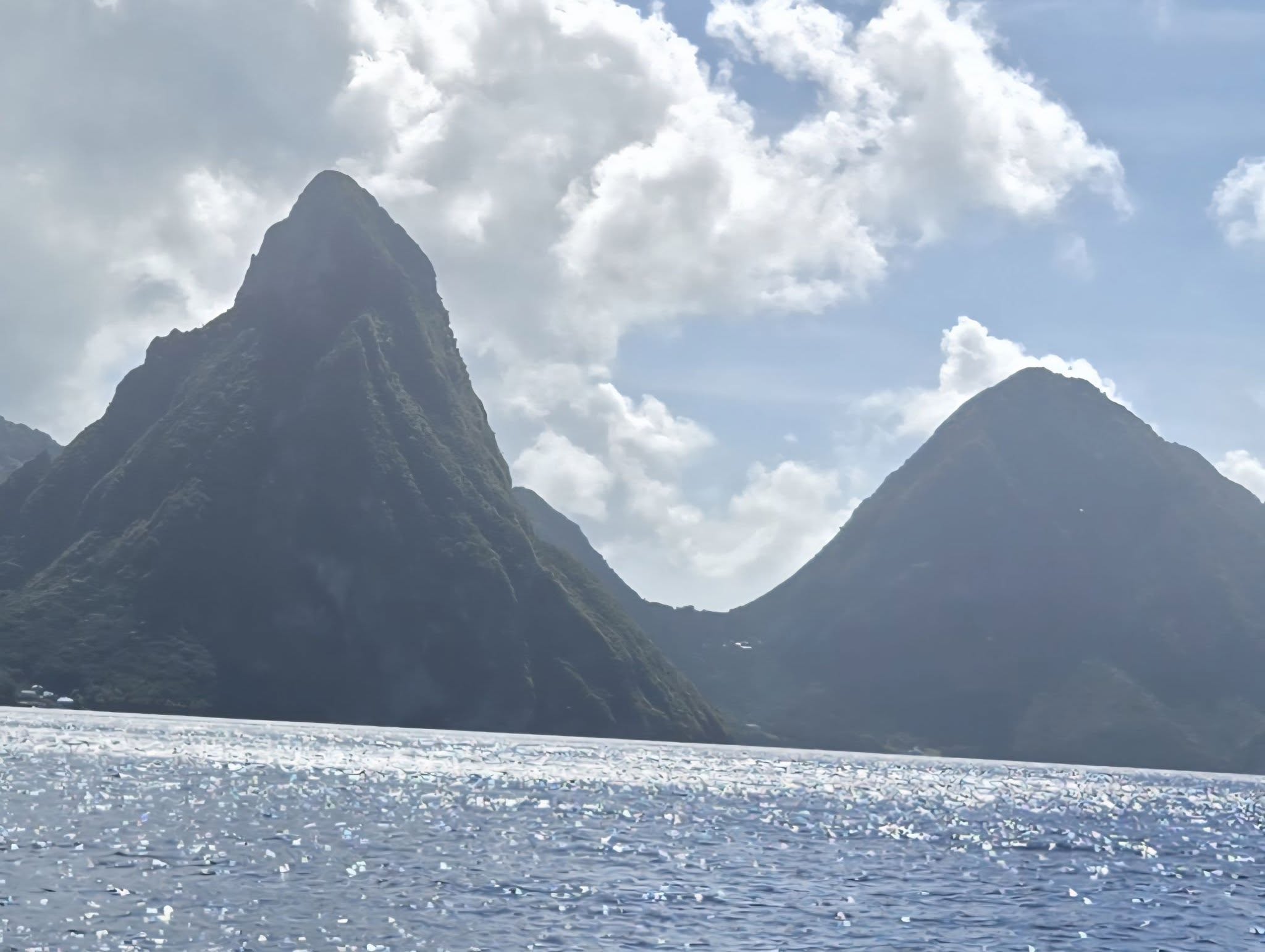
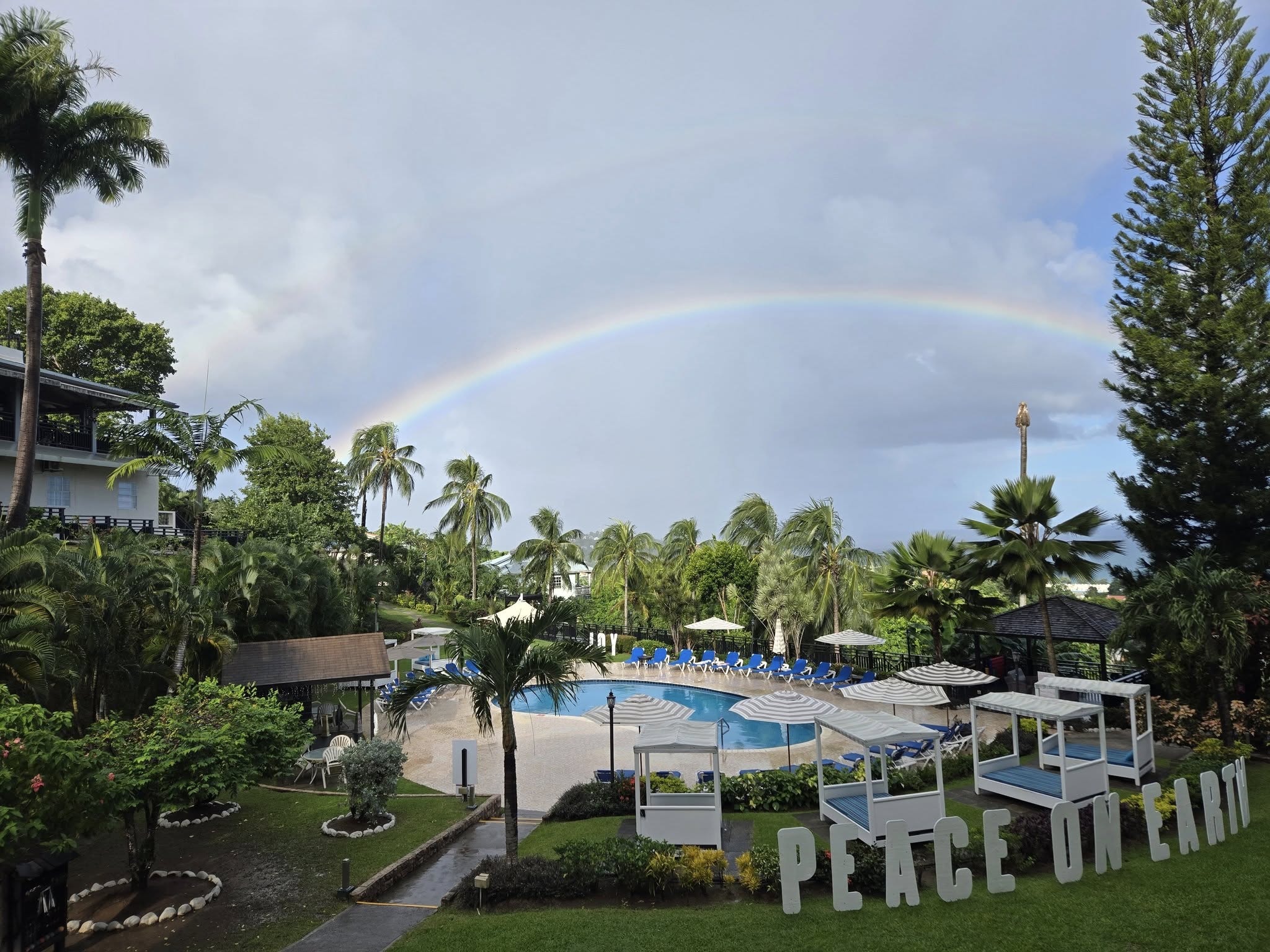
Finally went to beautiful St. Lucia after years of dreaming.
In June, Charles attended a professional conference that included a keynote presentation about universities and slavery. That got him interested in where our black ancestry came from, and said, “We need to go to St. Lucia.” That’s been a dream of mine for years, to see the place my maternal grandmother grew up in. It turned out Thanksgiving was the best time, so we took our third plane trip of the year and spent seven days/six nights in Castries, using up all accumulated timeshare points (and some cash). It was a wonderful trip, one I’m planning to blog more about.
Charles had finally convinced Lynda that if we moved in a downsizing, it would be better if we moved to the Lake Jackson-Houston area rather than to Massachusetts. So we made plans to move in about a year. Then, a week after we got back from L.J., a house very close to Sara went up for sale. It was the perfect downsize for us. We made another road trip to L.J., saw the house, it looked just right, we put in an offer, and bought it.
So now our decumulation has turned into moving preparation. We took a U-Haul load on Dec 19 and stayed through Christmas. Now we are planning on moving for good around Feb. 1, 2026. I don’t want to be paying for two houses for too long.
So that’s our year. With all the trips and work, I put off having knee surgery, originally scheduled for Nov, then Dec, then Jan, until sometime after the move. I suspect it will be part of my 2027 story.
Also, I’ve said nothing about my writing activities. So stay tuned for another post in a couple of days to cover that.
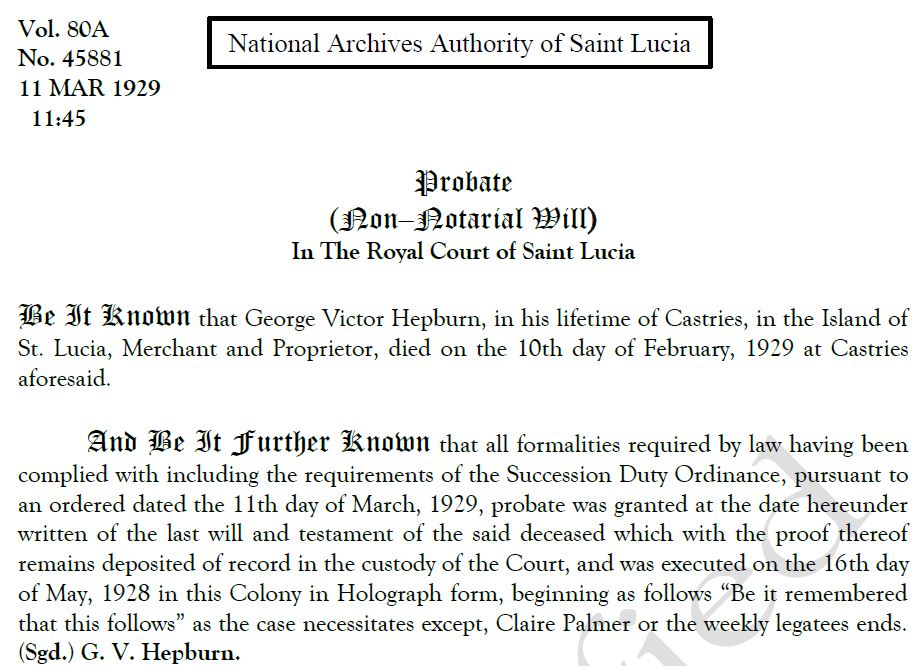
The probate file confirmed what we had pretty much concluded beforehand, that George Victor Hepburn was NOT my great-great-grandfather. More likely he was my great-grandmother’s brother—though that is not yet confirmed.
Part of the reason for our recent trip to St. Lucia was to see what we could learn about my St. Lucia roots. We have a lot of what I call “family lore”, but not much of that is backed up by documentation. My maternal grandmother talked about St. Lucia all the time, and how they were high society there, having servants.
She came to the USA in May 1918, and my mother was born in September that year. I found documentation for those two events, a combination of recordings on calendars made by my grandmother’s uncle David Sexton. And we knew my grandmother’s mother, Henrietta (Hepburn) Sexton Harris. She lived well into her 90s, and I knew her and spent many a holiday when she visited in Rhode Island.
Although, it wasn’t until I made contact with cousins in New York City, the children and grandchildren of my grandmother’s half-sisters that the full story came out. But it came out as family lore. Henrietta was one of six siblings, but the cousins couldn’t agree on who those children were, nor on the name of her father. They agreed on three of the six, but not the other three. So, as the years progressed, I knew a trip to St. Lucia was necessary. But would it be productive?
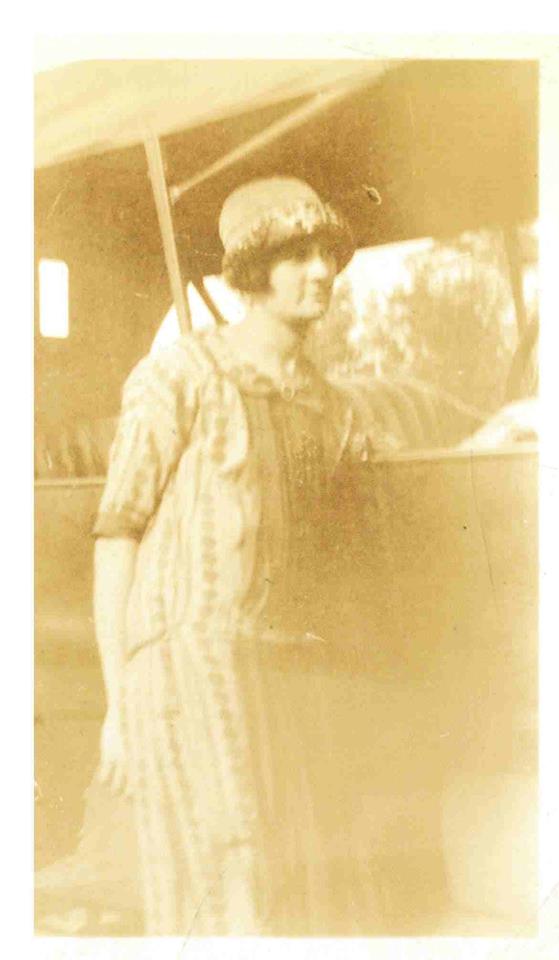
My grandmother, Alfy Sexton, a year or so after emigrating to the US.
The answer is yes. The first morning our son and I drove to the St. Lucia archives. It’s not a big building from the outside, and they were in the process of moving from one building to another. But the women working there were friendly and helpful. I paid the research fee, then Charles did most of the talking. He had the names we were interested in, the type of documents we hoped to get copies of, and the years of interest. Meanwhile, the archivists were anxious to see the photos I had, and to scan them. One lady worked on scanning while another did a preliminary check of their indexes to see if maybe some of the documents we were interested in were in the archives. After the public hours closed, they would do a more complete check.
This was actually more than we’d hoped for. I had heard that the St. Lucia archives had few documents, and those disorganized—that many documents were destroyed in major fires in Castries in 1927 and 1948. Maybe some records were lost, but it seemed they had many extant, and an organized system for retrieving them.
We went back the next day to see what they actually found (in many places, sometimes an archive index can be erroneous). This gave us a chance to pick and choose what we wanted to have copies of. While we were doing this, I noticed the receptionist had one huge book open and was transcribing records. I didn’t come up to look over her shoulder to see what the records were. Suffice to say that additional deeds or marriages or birth records or powers of attorney or probate matters were added to the digital archives that day.
Those were the only two days we went to the archives. We paid fees (cash only, though they take US dollars) to receive digital copies of the documents, and they came a week later as email attachments. Family lore was confirmed in some cases, but confusion added by other documents. Oh well, we have time to sort it all out, come up with ancestral link conclusions and working theories of paths for future research.
I’ve researched in a few courthouses in the US, but this was the first time for me to go to a foreign archive in the hope of receiving relevant documents and data. A good experience, though I suspect this was a one-time only experience.
Years ago, I hoped to someday travel to St. Lucia, the land of my mother’s ancestors. Well, that was their land for a generation or two. They came to St. Lucia from St. Vincent, their neighboring island in the Caribbean.
But life got in the way. There was work and marriage and raising children then overseas posts many miles and time zones away from the Windward Islands. Our travels during our expatriate years took us in other directions.
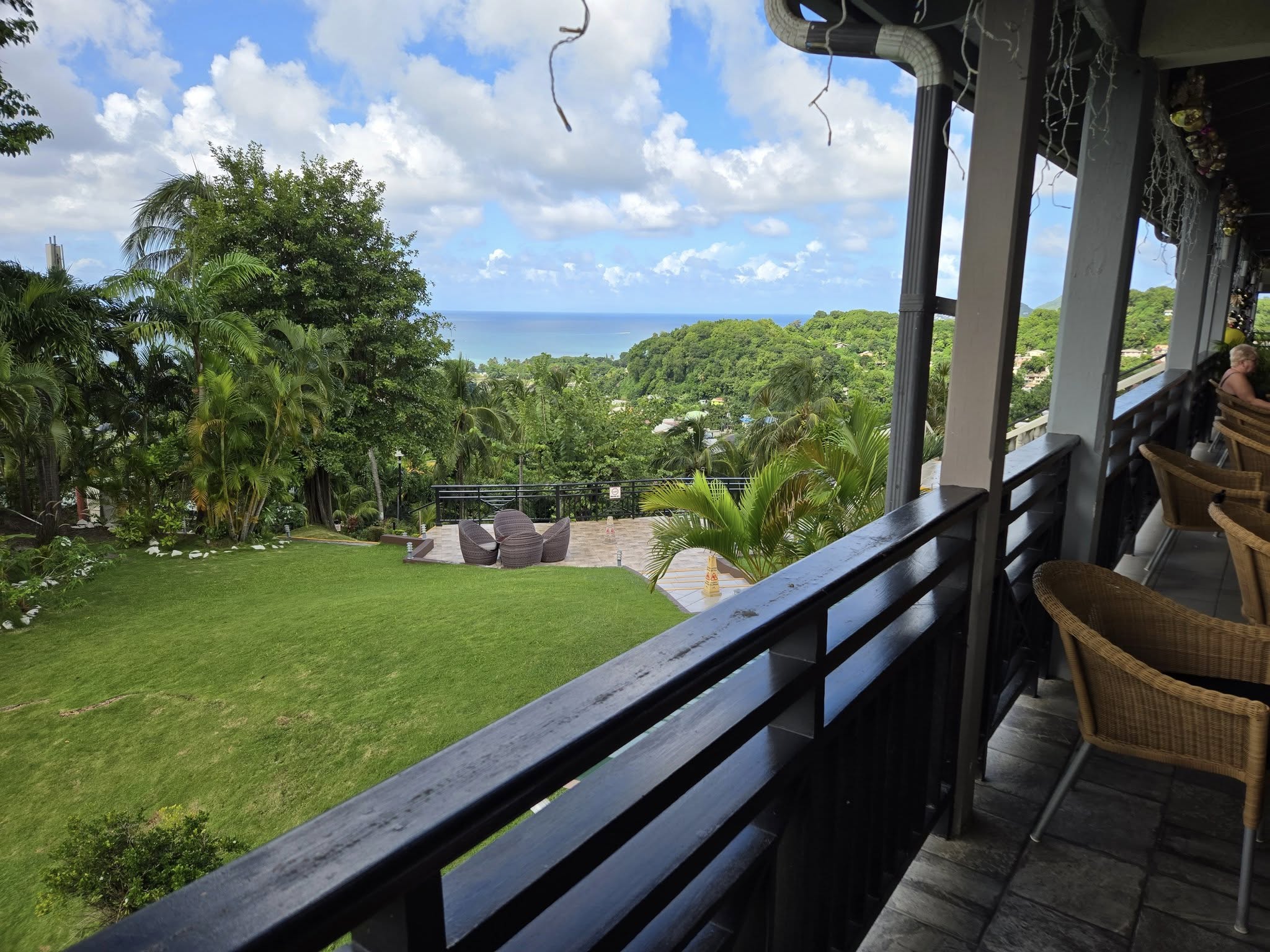
An unusual view for a Thanksgiving dinner.
Then there was more work, days of accumulation in anticipation of retirement. That retirement finally came. We had money and time to go, but no real gumption. It seemed that all the years of activity had consumed a lifetime of initiative, and so here we sat, in Northwest Arkansas, waiting for energy to overcome declining health and move us from our easy chairs to seats on a plane.
Finally, in June of this year, our son said, “Let’s go to St. Lucia,” giving us the needed push. Two other family members wanted to join us on the trip, but in the end were unable to. In trying to accommodate the most people, we settled on Thanksgiving week just past. We had timeshare points to burn.
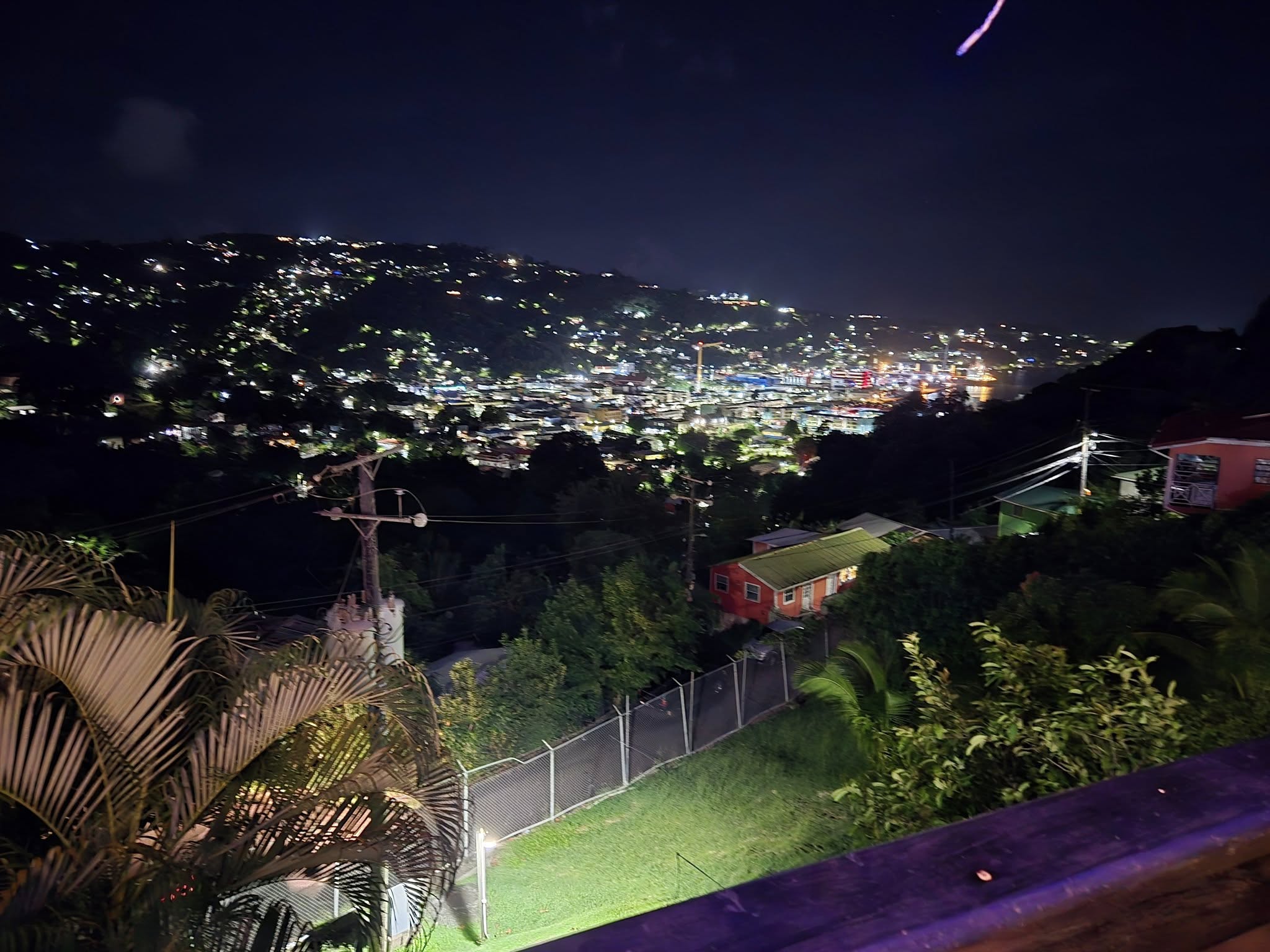
The view of Castries harbor on our last evening.
So, on Nov 24 we flew from NW Arkansas to Charlotte, NC, spent a night (as planned) there due to the difficult connection, and flew on to St. Lucia. We had seven wonderful nights there, flying back on Dec 1, able to do it all in one day due to an easier connection.
The trip was a mix of genealogy research, meeting people I’d met online in my preparation for the trip, meeting a relative there (2nd cousin once removed), seeing the house my family owned and lived in, and experiencing my family’s culture, though obviously far removed in time from when my grandmother emigrated to the USA in 1918.
One post will not be sufficient to tell of this trip. It was sort of magical. In terms of genealogical research, we accomplished more than I expected. We should soon receive information that will allow us to get back one more generation with confirmed documentation. I found my great-grandfather’s grave in a cemetery with no grid pattern, and where most of the stones were broken or badly weathered to the point of being unreadable. The family house was awesome to see, and we learned much more about its history.
Alas, it wasn’t all fun and research, as a future post will tell.
Expect additional posts over the next few weeks, as time allows. I’m still waiting on photos from others, and am very busy buying one house, prepping this one for sale, and moving hopefully before two more months pass.
Meanwhile, many people have told me I have to write down everything I’ve learned about this side of the family. I actually started on that last Tuesday evening. The tentative title is Stories, Secrets, Legends, and Lie. As they say, stay tuned.
The legacy books were once a part of my journey. They are all gone now.
For a long time, I thought, if I ever wrote my autobiography, it would be titled The Journey Was A Joy. But as started to write it, that seemed wrong. I thought that would instead be the name of the last chapter. As I thought about the journeys I have been on—spatial, physical, spiritual, professional, intellectual, avocational—I decided instead I would title it Tales Of A Vagabond. I’ve written the first six chapters of that.
I’m about to embark on a new chapter of the vagabond life. For a long time Lynda and I have talked about moving to be close to one of our children. The choices were Worcester, Massachusetts and Lake Jackson, Texas. The problem is, neither of them may be in their current locations for a long time. Either of them could pick up and move in a matter of a few years. Knowing that, we’ve been slow-walking our decumulation efforts, as readers of this blog will know. Our son in Worcester finally convinced Lynda that the better place for us to move was to Lake Jackson. I had been of that mind for some time.
The health journey is also a consideration.
A couple of weeks ago, a house across the street and two doors down from our daughter came up for sale. To make a long story short, we found the house to be perfect in size and location. Through a realtor we made an offer, came to an agreement with the seller, and are under contract to buy the house. Closing is scheduled for Dec. 8.
Monday, we met with a realtor (husband and wife team) in our house in Bella Vista. Within a day or two we will likely put her to work as our realtor, and get the house listed ASAP. We think it will show well (if we can get it at least somewhat more presentable) and hope it will sell reasonably quickly. Our time to move is between Dec 18-ish and April 1. I have knee replacement surgery scheduled for Jan 27, so it may not happen then depending on when we do make the move.
Interest journeys have been part of it, as writing became a part of my life.
Am I excited? No. The amount of work before us is massive. Slow walking isn’t going to get it done. The worst part will be leaving our church of almost 36 years. That will be hard.
We’ve been in this house for close to 24 years, and in this area since January 1991. That kind of stability probably negates the idea of me being a vagabond. But life isn’t defined only by your physical location. My life has included many other types of journeys.
If I live long enough, like into my nineties, it is likely that this won’t be the last move in the vagabond journey.
I continue to make progress on editing and publishing my Bible study series, A Walk Through Holy Week. All eight volumes have been written for a while, awaiting me to do the required rounds of editing. Slowly, as other pressures of life allow, I pull of the files of the unpublished volumes and do the rounds of editing required, then move on to publishing.
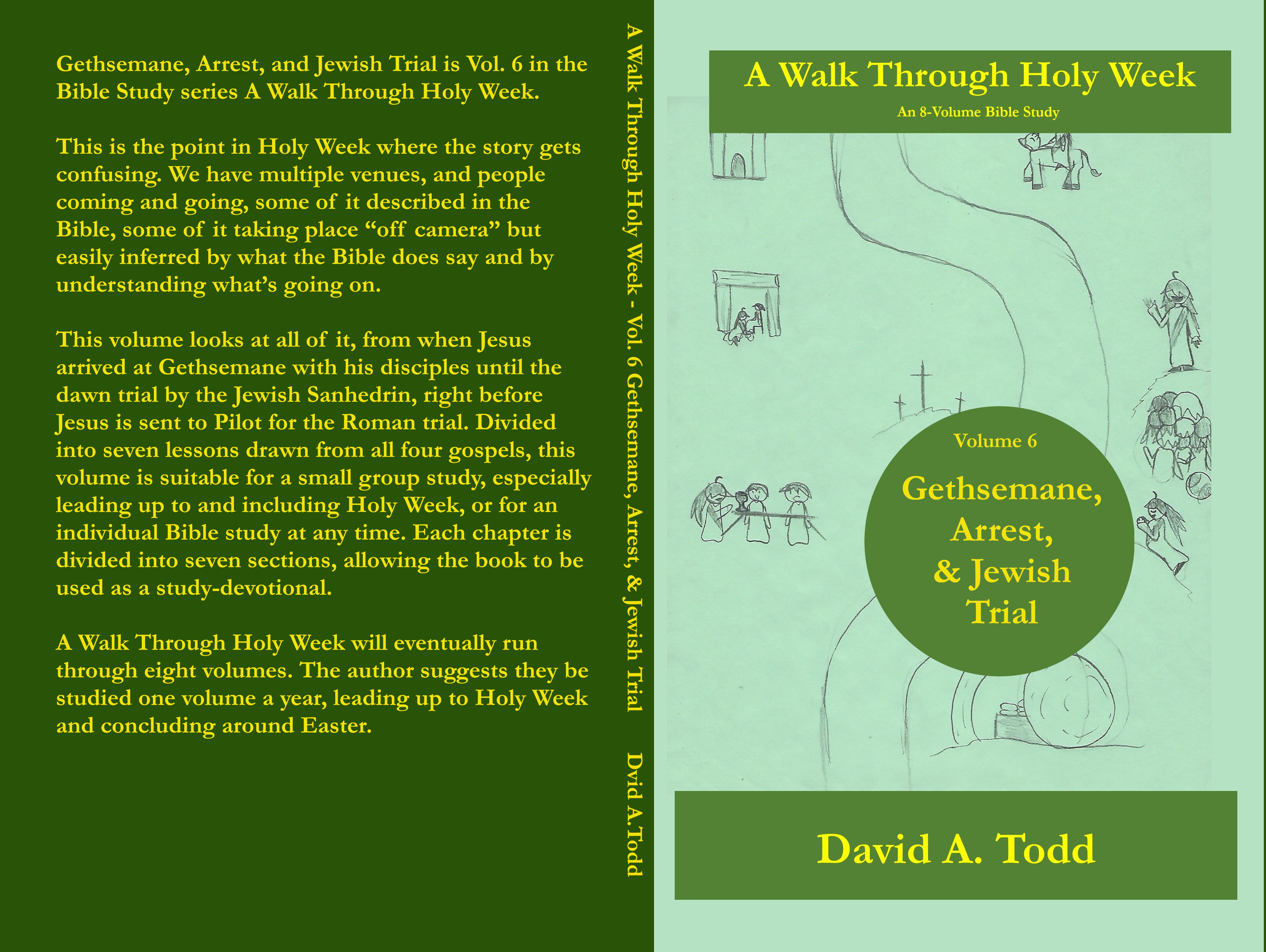
Last week I completed that for Volume 6, Gethsemane, Arrest, and Jewish Trial. It covers the period between the Last Supper (and Vol 4 and 5) and the Roman trial and crucifixion (the future Vol 7). He’s what I say on the back cover:
Gethsemane, Arrest, and Jewish Trial is Vol. 6 in the Bible Study series A Walk Through Holy Week.
This is the point in Holy Week where the story gets confusing. We have multiple venues, and people coming and going, some of it described in the Bible, some of it taking place “off camera” but easily inferred by what the Bible does say and by understanding what’s going on.
This volume looks at all of it, from when Jesus arrived at Gethsemane with his disciples until the dawn trial by the Jewish Sanhedrin, right before Jesus is sent to Pilot for the Roman trial. Divided into seven lessons drawn from all four gospels, this volume is suitable for a small group study, especially leading up to and including Holy Week, or for an individual Bible study at any time. Each chapter is divided into seven sections, allowing the book to be used as a study-devotional.
A Walk Through Holy Week will eventually run through eight volumes. The author suggests they be studied one volume a year, leading up to Holy Week and concluding around Easter.
The book is available as both an e-book and paperback at Amazon, as are the other published volumes.
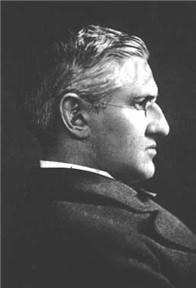
Written by Horatio Spafford after most of his family died in a shipwreck, “It Is Well With My Soul” has blessed Christians for 150 years.
In mid-October, we visited our daughter’s family in Lake Jackson, TX. On Sunday we attended their church. One of the songs we sung was “It Is Well With My Soul”. What a wonderful throwback for me. Let me set this up, as neutrally as I can.
There’s no doubt I live in another culture than most of the people around me, than most of the people in the church I attend. Modern music leaves me flat, both popular music and church music. As far as popular music is concerned, with few exceptions I’m stuck in a world that ended in 1974. That was the year of my religious conversion, senior year in college. Right after it came my move from Rhode Island to Kansas City. More or less simultaneously I made the move from the liturgical church to the evangelical church, and from popular music to church music. But to be honest, popular music had already moved away from my preferred tastes. Give me the songs of 1961-1965 and you can have the songs from 1974 on. How far am I removed from the music of pop culture? When Tom Petty died in 2017 and there were huge headlines, I said “Who’s Tom Petty”, and ignored the story thereafter. It took me another five years to learn who Tom Petty was and what he meant to pop music.
When I entered the evangelical church world, I fell in love with that music, mainly what was popular in the 1970s and into the 1980s. Bill Gaither. The Imperials. Lanny Wolfe Trio. Doug Oldham. Andre Crouch. Now I’m stuck there, again with some exceptions. But added to the music mix for me was all the wonderful hymns of earlier decades. I found the music moving and uplifting. Give me the hymns of 1840 to the gospel songs of 1980, and I’ll be happy.
I suppose I’m stuck in the 1970s with my church music preferences. Almost all the songs sung in the evangelical church since then leave me flat. Oh, I can sing them with gusto, my stroke-and seizure-altered voice now drowned out by the loudness of the instruments. The songs of today give me a momentary lift. I suppose the message they tell is good, but the music style mostly leaves me unmoved, especially with the similarity of form (verse-chorus-verse-chorus-bridge-bridge-bridge-verse-chorus-chorus-chorus seemingly ad infinitum).
So anyway, I’m a guest in this church service on Oct. 12. The worship team consisted of three women singers, a keyboard, rhythm guitar, flute, and drums. They all mixed well. The third song (I think it was the third one) was “It Is Well With My Soul”. This was one of those songs I was introduced to in the evangelical church in the 1970s. I for sure never heard it growing up in the liturgical church.
On this day they played it “straight”. No chorus added as a bridge section, no endless repetition. No overly modern instrumentation. Just the simple verses and chorus, played into the sanctuary at a volume that let me hear my own voice. The third verse, which is always my favorite, moved me to tears as it always does.
My sin, oh the bliss, of this glorious thought!
My sin, not in part but the whole
is nailed to His cross and I bear it no more
Praise the Lord, praise the Lord oh my soul.
Needless to say, I was transported back in time five decades. I don’t expect that to happen very much in the future. But I had a chance to think back to the mid-1970s, when my life changed, and the music changed for me as well.
One side of the blue sheet is letters already transcribed, the other side is yet to be done. I still have a long way to go. That’s how it was a couple of weeks ago. It’s slightly better now.
The only way I can describe what went on the last few day is they were filled with miscellaneous stuff.
On Monday, I had a regular cardiology appointment. Everything must be okay, because the P.A., who was a touchy-feely person, said some back in six months.
On Tuesday, Lynda had a regular cardiology appointment, rescheduled at the cardiologist’s request. We figure everything was ok, since he said to some back in a year. On the way home, we stopped in a convenience store and got some pumpkin spice coffee for Lynda and house blend for me.
Also on Tuesday, I wrote a letter to my youngest grandson, finished typing edits to my latest Bible study volume, and submitted a proposal to our pastor for a new lesson series for our Community Group.
On Wednesday, I had an appointment with my new orthopedic surgeon, replacing the one who I had already seen but who left that practice. He said my knee was pretty bad and that I was a candidate for knee replacement without having to go through further P.T. But I have to get clearances from five doctors first (cardiologist rheumatologist, neurologist, PCP, and dentist). I’m working on those. On the way home, as a reward, I splurged and got a large Dunkin’ house blend.
Also on Wednesday, at 10:15 p.m., Lynda said her heart wasn’t feeling right and she needed to go to the ER. We did so, getting home after 4 a.m. after whatever was wrong corrected itself without the need of medicine. I slept well, waking at 7 a.m. to go about my day in a somewhat zombie-ish fashion.
Which brings us to Friday. We have the pest control people coming at 11 a.m. At 2 p.m. we have a follow up to the ER visit with our PCP team.
All week I’ve been reading in J.R.R. Tolkien’s The Silmarillion. It’s a real slog. Thirty percent through and I’m getting nothing from it. I figure I should read this early mythology before I tackle The Hobbit and The Lord of the Rings, but if I’m not getting anything from it…. I suppose I’ll plow ahead for a while longer. Surely it will get better.
This week I’ve also done a little research on St. Lucia, St. Vincent, and Union Island in the Grenadines. The reason for this, apart from genealogy, will be revealed in good time.
Meanwhile, I continue my work of transcribing my father-in-law’s World War 2 letters. I now have 121 finished. The to-be-transcribed stack is still very large, still maybe 140 or so. Of course, that’s what I said twenty or thirty letters ago.
So it’s been a week of misc. stuff—filled with things to do, but without a nice rhythm. Perhaps next week will be quieter and better organized.