- Have a meet-up to deliver batch 1 of family photos to the one who has been clamoring to have them. Good riddance.
- Somehow, carve out enough time to finish editing my book-in-progress. Down to 3 chapters, but was unable to do any editing today, nor will tomorrow.
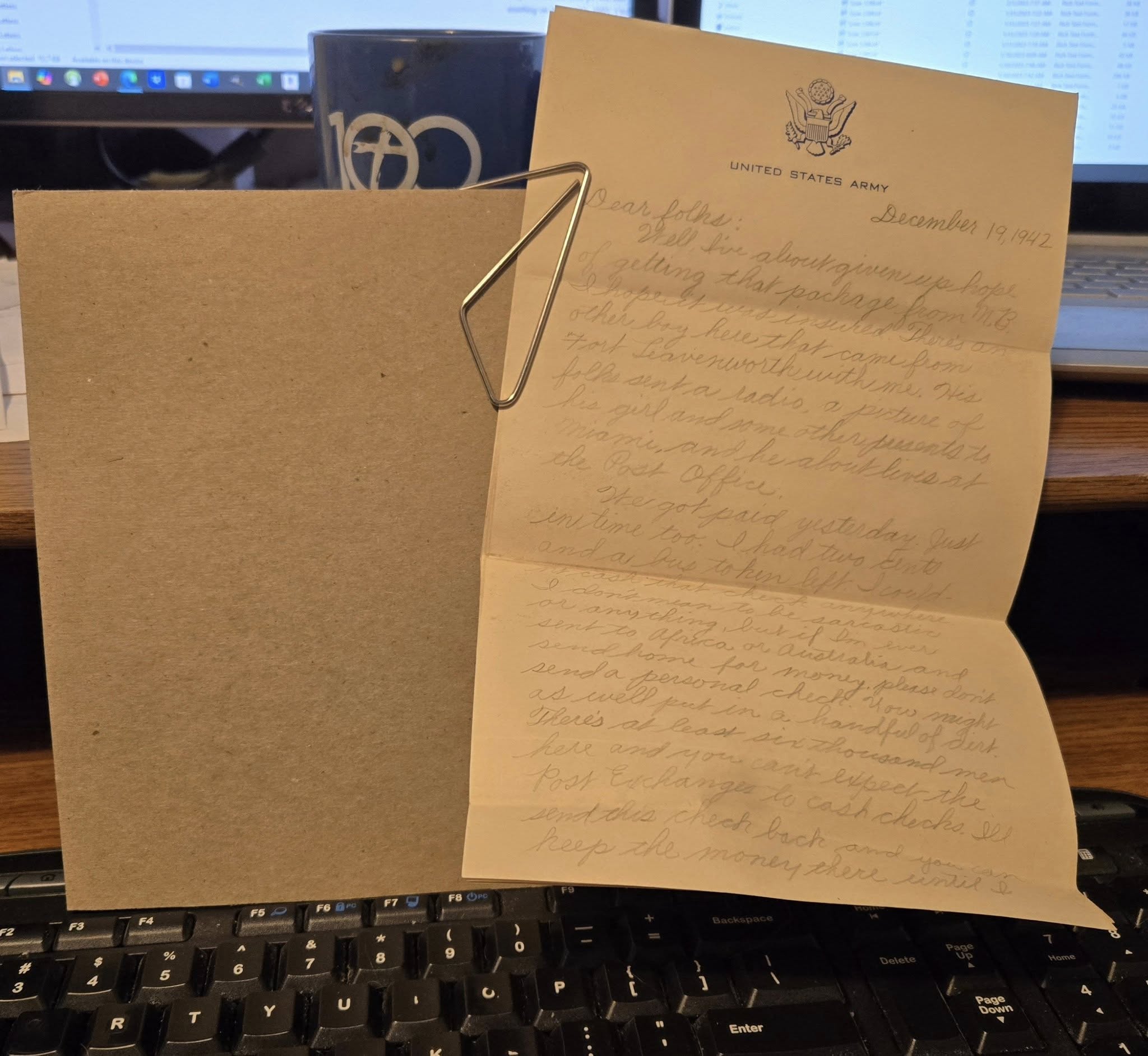
- Continue transcribing one letter a day of my father-in-law’s war letters.
- Continue to dispose of unneeded scan files on my computer and One Drive. Down to less than 1,450 now.
- Keep up with yardwork.
- Handle various financial matters and travel bookings.
All posts by David Todd
Summer Schedule, New Project
It’s hot out. Not as hot here at the north end of the southern states as it is in the Northeast, but our heat is definitely up. But of course, that’s to be expected for late June, almost July.
So I’ve changed my schedule. After rising, weighing, and checking my blood sugar, instead of going down to The Dungeon to begin various projects or work on my books, I go out and walk in the cool of the morning. I walked Monday-Tuesday-Wednesday this week, going 1.07, 1.28, 1.37 miles respectively. Thursday and Friday were slightly longer distances. And, as evidence of my healing from the many maladies of the last sixteen months, I’ve been able to walk without taking a walking stick to serve as a cane.
Now, I wasn’t regularly walking before Monday. My excuse? First, the rain. Then the heat. Then tiredness. By the time I come upstairs from The Dungeon and eat breakfast, it’s already a little too hot to walk comfortably. Then evening, when you can walk in the twilight shadows, I’m either busy with TV watching or just too tired after the labors of the day. In fact, it had been well over a week, maybe closer to two, since I’d walked for exercise.
I made the decision last Saturday that I would shift to a summer work schedule on Monday, and so far, I’ve been faithful to it. My target is to be out the front door by 6:00 A.M. The first three days I was right on the money. That’s a little earlier than my normal rising time, so a longer midday nap time is part of the new schedule.
I see very little activity at that hour. A car or two with people heading to work. One time a jogger. One time a neighbor on his front deck drinking coffee and reading something. I’m back home in around 30 minutes. At that point I head to The Dungeon for my normal routine: devotional reading, prayer, check e-mail and Facebook and book sales (actually non-sales. Then, rather than editing, I do my two special projects.
One of those is digitizing my father-in-law’s letters, limiting myself to one a day, either scanning or transcribing as the case may be. At one letter a day, that project will take a couple of years. The other special project is cleaning up old scan files. All the genealogy research papers and letters I scanned had been saved to a proper filing system still resided on my computer and cloud drive as scan files. Perhaps them being in two (really three) places doesn’t hurt anything, but it’s not “clean”. So I’m going through those scan files, verifying that I saved them to the right folder and gave them the right name, then deleting them from the scan folder.
My goal is to clear away 50 scan files a day, six days a week, so 300 a week. I started with 3400 scan files to deal with. As of Thursday morning, I have 1,700 left. Thus, I have around six weeks more on this project. I’ll check back in with you around the end of July or sometime in August to give a report on this as to how the project is going.
After that, I do my morning stock work, eat breakfast, and maybe work outside awhile in the blackberry patch. I come back inside and go to The Dungeon to cool down and do a little editing. Midday is still reading in the sunroom, though that is now getting so hot I’ll need to move outside to a shaded area on our woodlot.
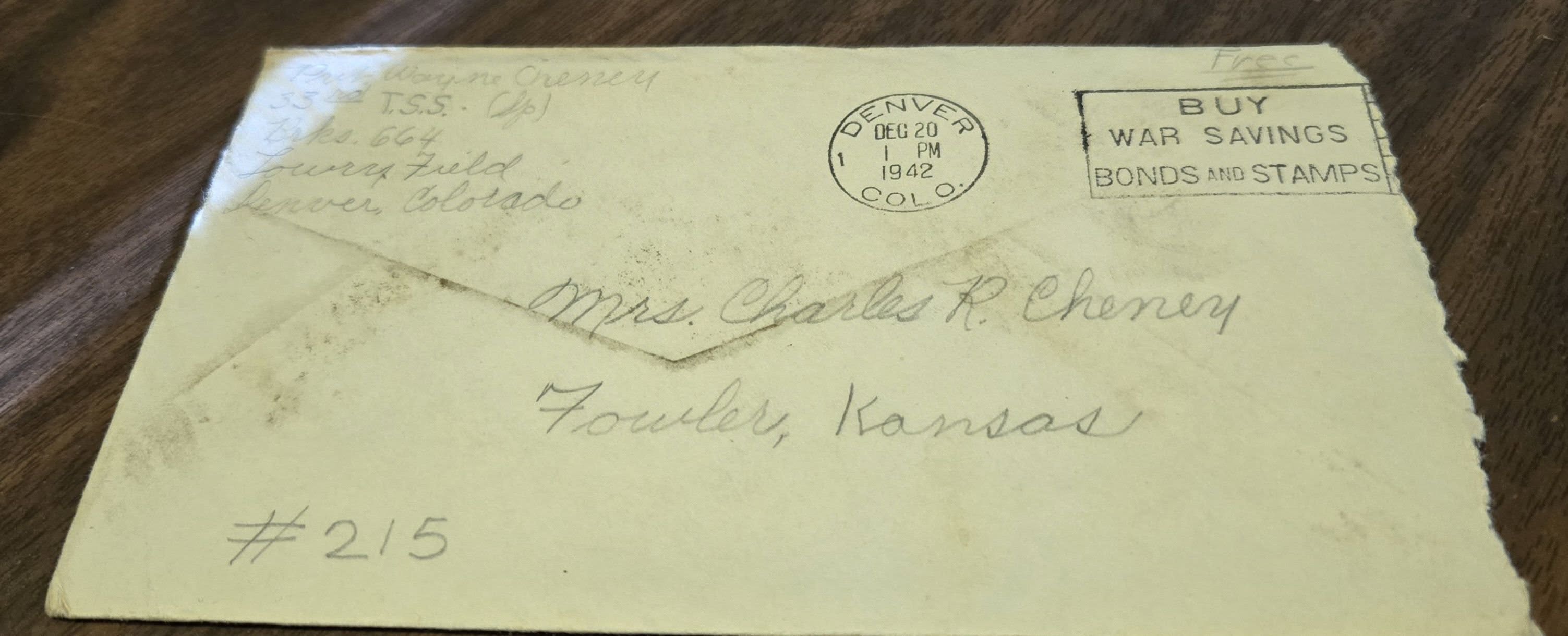
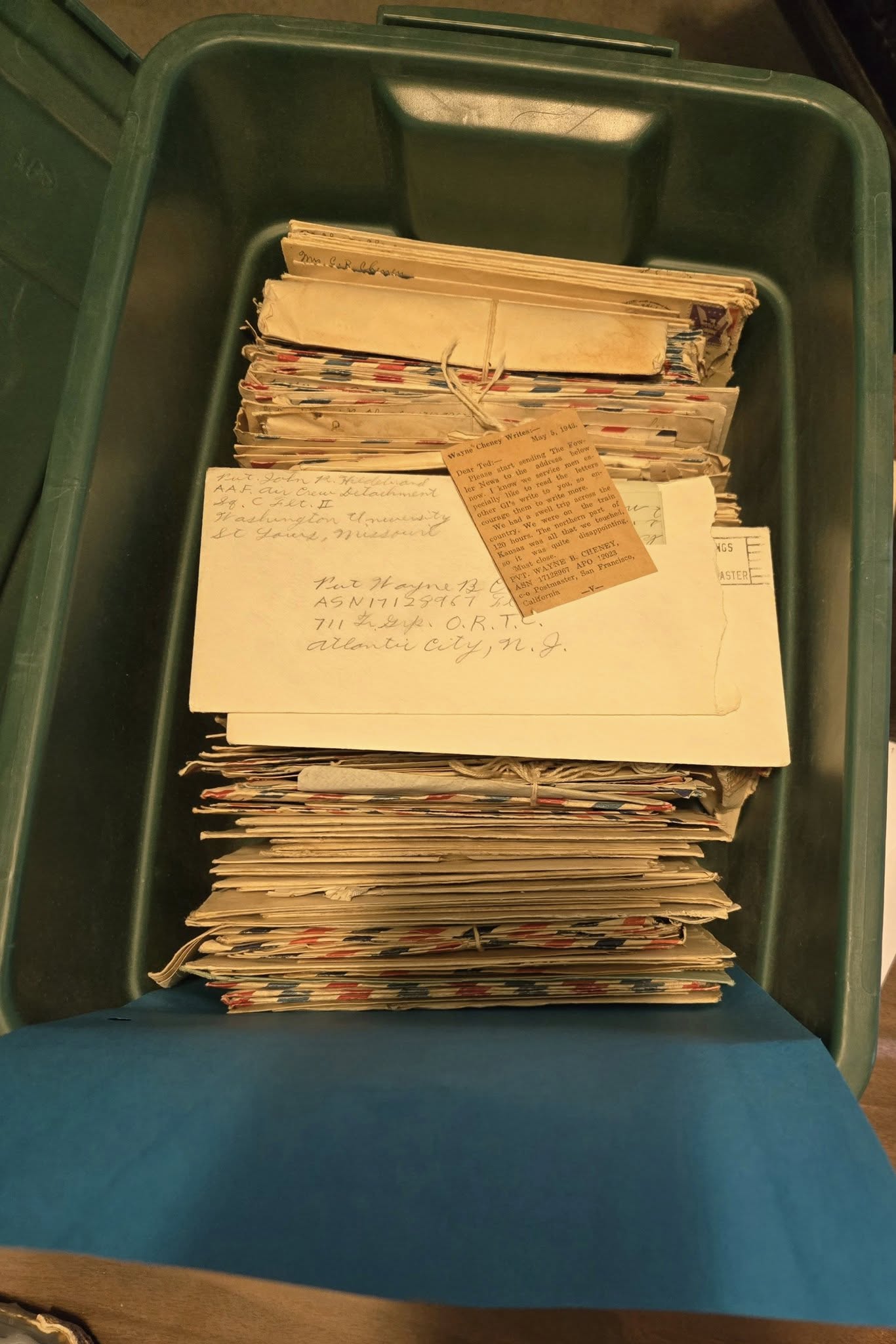
So what’s the new project, and how am I going to fit it in a busy schedule? Well, the new project is transcribing the wartime correspondence of my father-in-law, Wayne Cheney. These have been sitting in a plastic bin in our house for close to 30 years, waiting on someone to get them out and read them, do something with them. I decided that time had come, and that these letters from 1942-1945 were of greater importance than the newer letters I had been digitizing. Thus, I have suspended working on the newer letters in favor or the older ones.
I’ll work on them at the rate of one letter a day until I finish the scanned files project, then will accelerate the letters until I finish. I have no idea how many of these letters there are. Having now put together four letter collections, I have a system established and have learned to do this fairly efficiently. But I really have no idea how long this will take me because I don’t know the letter count. By the beginning of August, I hope to have 50 or so letters transcribed. At that point maybe I’ll count the rest and figure how long the whole project will take me, and make a report.
Sounds like I’ll be busy a while. Busy is good: stimulating to the brain and enforcing discipline. Hopefully, while letter transcribing is going on, I’ll be able to finish the old family photos project and get my next Bible study edited and published.
Stay tuned….
Book Review: The Romantic Revolution
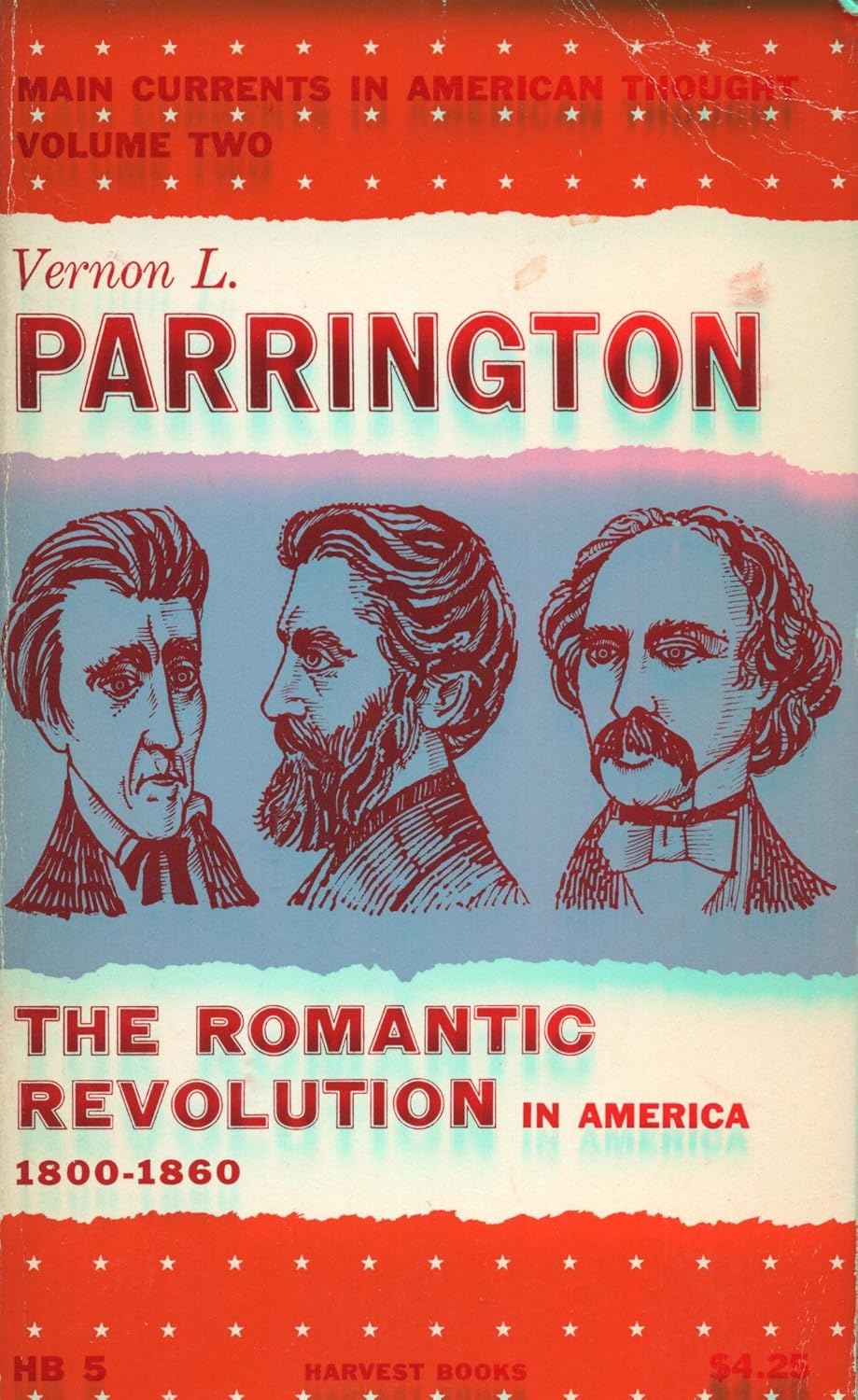
After finishing a couple of books a while ago, I looked for something to read next. I saw, on my worktable in The Dungeon, a book by Vernon Louis Parrington, The Romantic Revolution in America. This is volume 2 in a three-volume work, Main Currents in American Thought.
Where did this come from? I wondered, and how long had it been sitting in plain sight? I had no idea how I got the book, why it wasn’t on a shelf, who Parrington was. My book, published in 1954, was a mass-market paperback in poor condition of a book originally published in 1927. I knew it wouldn’t hold together as I read through its 460-odd pages. The print was exceedingly small, I think a 9 or 10 point font, with quotes a size smaller. I knew a little about the Romantic period in England and some of the main authors, but nothing about its American counterpart.
Perfect, I thought. As an author who avoided learning literature in English classes that I hated, I figured I needed to know this. Despite the poor condition of this volume, the small typeface, and the length of the book, I dove in. I decided to shoot for reading ten pages a day. But I was finishing another book at the same time and trying to get through a backlog of magazines, so I wasn’t sure I could get through it as quickly at my goal.
I also found the subject matter and writing style as, how shall I say it, not conducive to rapid reading progress. As to his writing, Parrington seems more interested in impressing his readers with his writing ability rather than informing them about his subject. I had to slow down and take time to understand what Parrington was trying to get across. Here’s an example, from late in the book, of some of his obtuse writing.
As a Beacon Street Victorian Holmes was as full of virtuous prejudices as an egg is full of meat; but as a rationalist, with a modest scientific equipment that came from his professional training, he kept the windows of his mind open to the winds of scientific inquiry that were blowing briskly to the concern of orthodox souls. Many a barnacled craft was foundering in those gales, and Holmes watched their going – down with visible satisfaction.
That was the type of language you had to slog through from beginning to end.
Then, his subject matter was almost a joke. He covered a lot of writers, but it seemed like most of them were politicians. Few were strictly creative writers as we tend to see them today. From Thomas Jefferson to Henry Clay to Daniel Wesbster, Parrington spends most of his time discussing the writers’ childhood influences and politics and religion, and how they were shaped by them, either positively or negatively. The main thing I got from this book is a good list of new references to possibly use in future volumes of my Documenting America series, should I decide to expand it.
He spent a lot of time explaining how the writers had to overcome the rigid legacy of Puritan Calvinism and embrace the individualism encouraged by Unitarianism. I could sense, as Parrington found major faults in every writer he mentioned, that he was leading up to a positive image of Emerson and the transcendental movement in the Boston area. I was somewhat wrong, however. Emerson he found fault with. But Thoreau, alone among the fifty or so writers analyzed, is the only one who Parrington found positive, who did no wrong.
Should you go out and buy this book? No. But late in the reading, I discovered it’s out of copyright and I got it for free as a Google Play book download. The reading went much easier then. It might be worthwhile for you if you can get it for free. But, if you find it at a garage sale for 50¢, save your money to buy something else you don’t need. 1-star. And, as the book is now in three pieces with a separated cover, it’s going in the recycling bin.
At least I freed up a little space on my worktable.
Life Gets In The Way
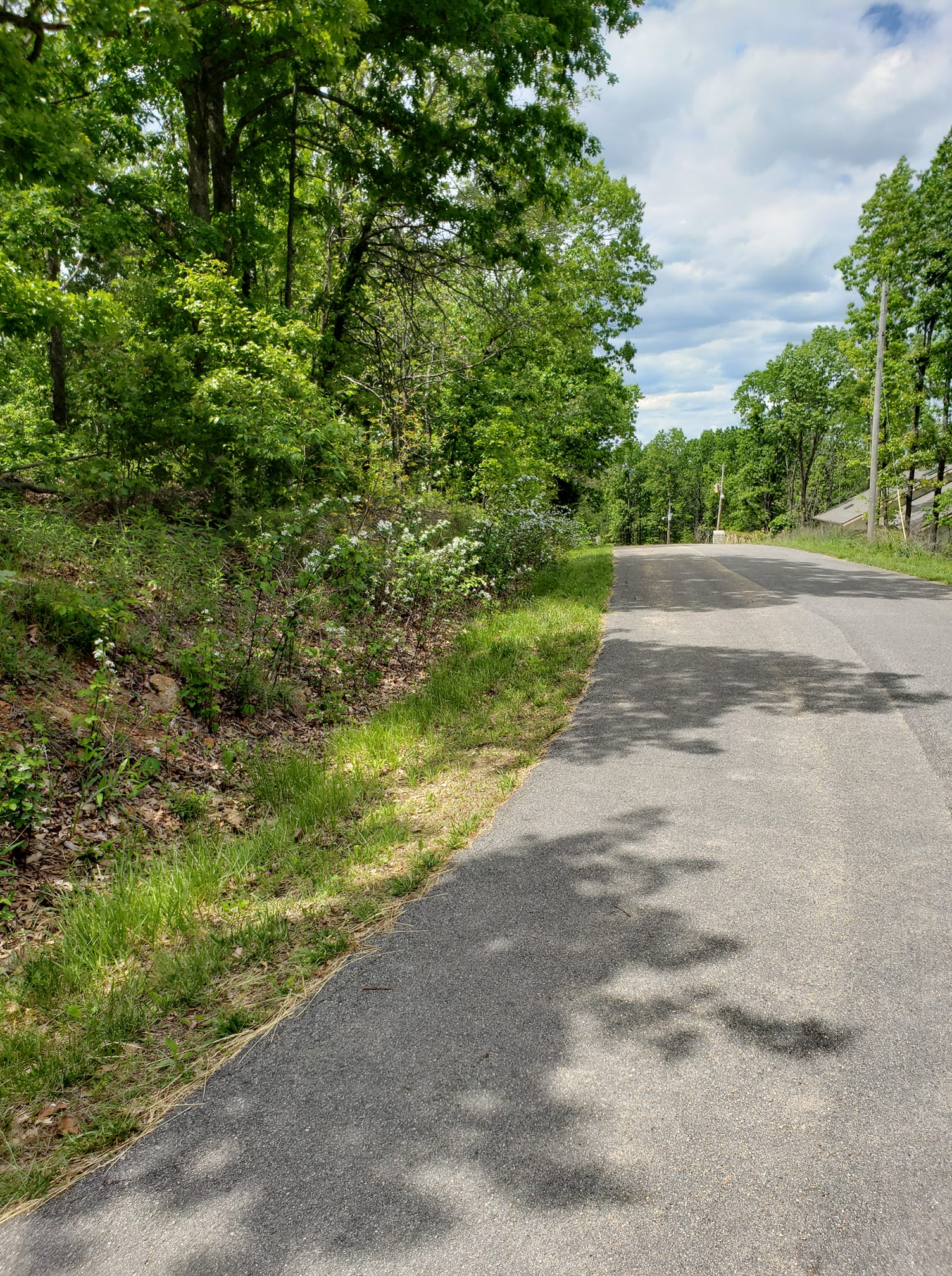
I had a complicated book review planned for today. But yesterday, after I got a minimum amount of editing done, along with my two special projects, I decided I was behind on my yardwork and better get to it. Under full sun, but much of the time working in the shade, I started pulling weeds out of our gravel yard. I made my goal in about a half hour.
I then tackled my blackberry patch. I had clearing to do in the paths between rows, trimming back high sprouts, cutting out competing vines, and then weed-eating around the whole patch. I didn’t get that last part done, nor did I clean up the mess I made with cuttings. But I did leave my crop in good shape. Saw a few berries starting to turn black, so the harvest may start as early as today.
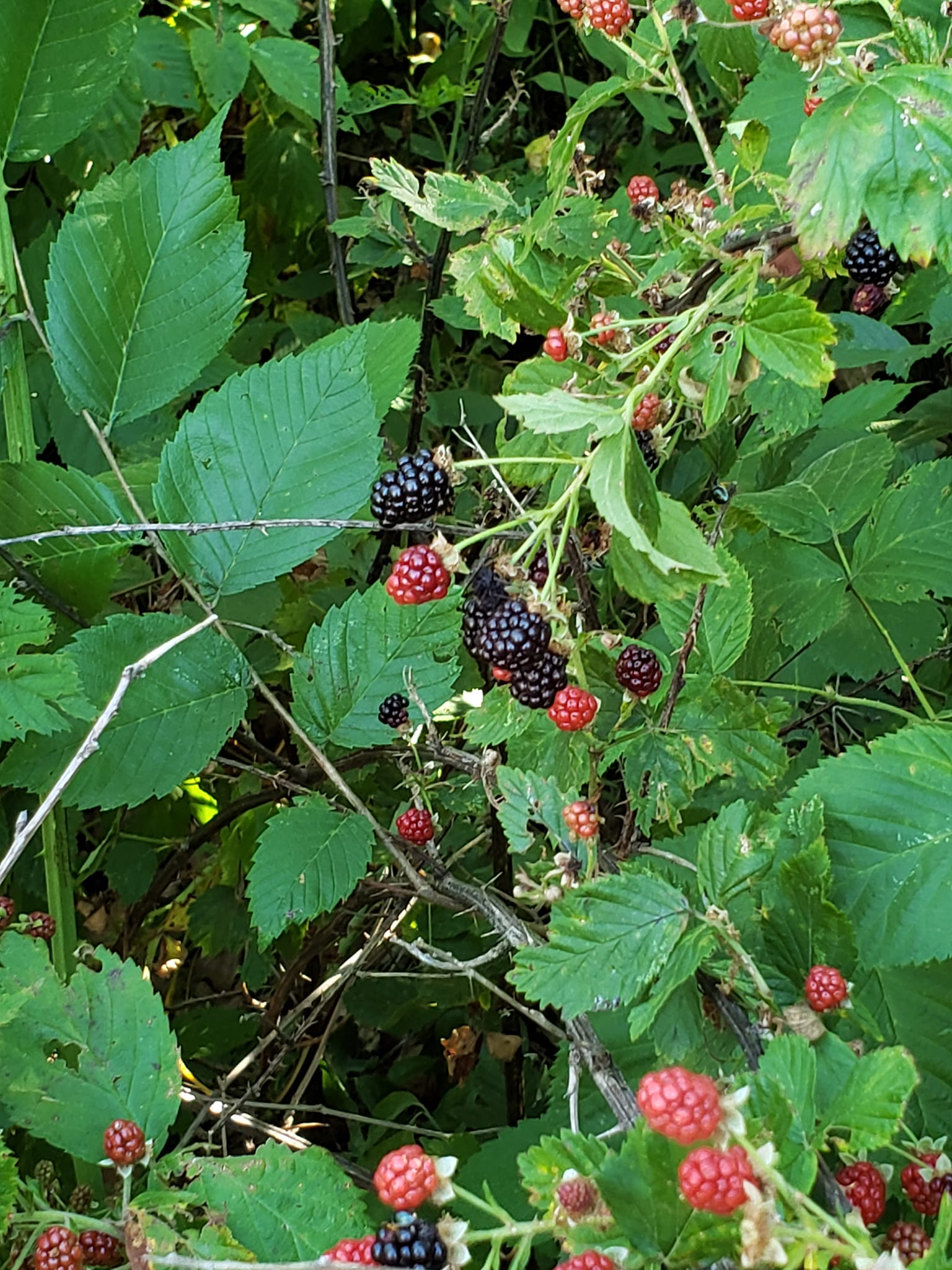
All together, I was 1 3/4 hours in the yard, stopping in part because the weed-eater battery died, but also because I felt my strength giving way. I went inside, rested and read, and, after lunch, came back to The Dungeon to finish editing. I then rested for a couple of hours.
By 4:30 p.m., I was recovered enough to go back outside. Afternoon shade covered an area in the front yard I needed to work on. I started the small project, and to my surprise got more done than expected. The project is done. I came back inside, feeling good about having the strength to get both my inside and outside work done.
I spent the evening sorting through old photos, making progress on both physical photos and computer files. For some reason completion of the project eludes me. I can’t find some batches of like photos to add strays to. Hopefully today I’ll find them.
But only after I clean up the mess around the blackberries, and see if any are ready to harvest.
My Own Writing Helped Me

So this week just passed I completed editing Vol 5 of A Walk Through Holy Week. That is, I completed the first editorial pass through the book. At least one, and possibly two more editorial passes are needed.
Although this is Vol. 5, I think it was the first one written. I put it on the shelf about three years ago as I tried to decide if I would write the whole series, and if I did, what shape would it take. I eventually decided I would write the whole series, changed it from six volumes to eight with a better organization, and finished Vol 8 last year. At that point I started editing and publishing the series beginning with Vol 1. I’ve completed publishing tasks through Vol. 4, putting that one up for sale on Amazon last month.
In Vol. 5, I found a lot of stuff wrong in the first few chapters, which is why I think two more editorial passes can be expected. But the last several chapters were better. And, as I read them in the first pass, three years after I first wrote them and last read them, I found some things to help with a number of concerns I have today. Here it is.
What About The Game Plan?
Remember the Game Plan we were working on? That list of encouragements, cautions, and commands? I haven’t mentioned it for a few chapters. I left it when it was beginning to burgeon into an unwieldy list. Too many things to think about, to constantly read over and implement.
Afterall, the Christian walk ought to be a kind of automatic thing. If Jesus is in us, and if we have walked with him for a while, we ought to naturally do the things that result in our being stronger Christians who are building the kingdom of God. We ought not have to think about every action and wonder if we are doing the right thing, the devout Christian thing.
So how do we do this? Do we even need a game plan? For me, I still like a list of things—I won’t call them rules—that I should review from time to time to help me live a more productive Christian life, fully devoted to my Savior. Not something to obsess over, but something to give me help when I need help.
The game plan from a few chapters ago doesn’t quite do this. I don’t mean to say it’s bad. It’s just…it’s just…too unwieldy. Sorry, but I can’t think of a better word to describe it. So I want something simpler.
A few things have come to mind. One is that this section of the Bible, John 14-17, is worth reading over every year. I’m not one who reads the entire Bible yearly, so without some kind of intentionality, I might not read this for several years. That’s not good enough. Henceforth, I’ll read this every year, perhaps a couple of times. I want to dwell on it, not rush through. I want to think about what it says about Christian living. What have I forgotten over the last year? What do I need to think a little more about as I go about daily tasks? That’s something I must add to the game plan.
What else? Obviously, something more about prayer needs to go in, but what? In the last two chapters, I can see at least a dozen statements of Jesus that would form encouragements, commands, or cautions concerning prayer. Alas, that’s too many to add to the Game Plan.
So I’ve been thinking as I wrote the last two chapters that I need some simple items to add to the lists, perhaps as a preface—a few things I can say every morning, or a couple of times a day if needed, as reminders of what my Christian walk ought to look like.
I was reminded of the three simple rules John Wesley wrote about finances that would serve as overarching guidance for his parishioners.
Earn all you can.
Save all you can.
Give all you can.
Surely I can come up with something like that—except I need four “rules”, not three. Here they are.
Love all you can.
Pray all you can.
Learn all you can.
Serve all you can.
I like that. I can say those every morning, and at other times during the day, as reminders of how I should live.
I wrote those words, then life got in the way and I forgot about them. Reading then again gave me new inspiration to re-establish some of those priorities.
Friday—A Non-Post
Oh my, it’s Friday and I haven’t posted yet. I started the day a little early, got involved in my special projects, including a couple of stock trades, and forgot to post. I had nothing planned, and consequently didn’t get one written.
I had a good day, getting much done. I have two letters ready to go to the P.O., and one long one sent by e-mail. Now waiting for a pie (of the frozen variety) to come out of the oven.
So, I’ll try to have something more meaningful to say on Monday.
A Genealogical Triumph
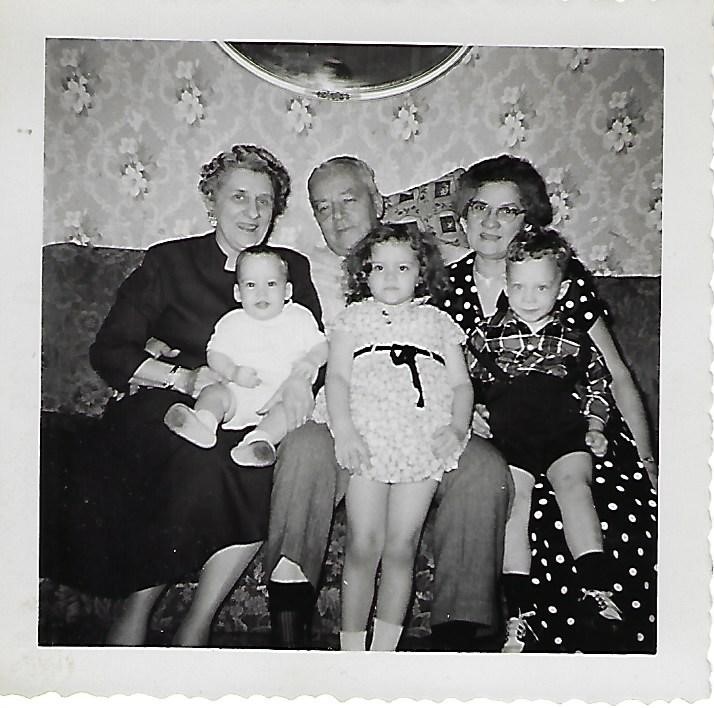
My days of genealogy research are mostly behind me. My main work in genealogy now is consolidating files and documenting family history, though I still dabble in raw research from time to time. I last reported on this blog about writing the story of how I learned who my natural paternal grandfather was.
A couple of years back, I decided to find out a little more about my step-grandfather, Edgar J. Dorion. He was a big part of our lives, as he and our grandmother often had to take care of us kids when Mom was in the hospital and Dad continued to work his nightshift job. But all I really knew about Edgar (we called him Gar) was that he was career Coastguard, had been in both WW1 and WW2, and a few other tidbits he threw our way.
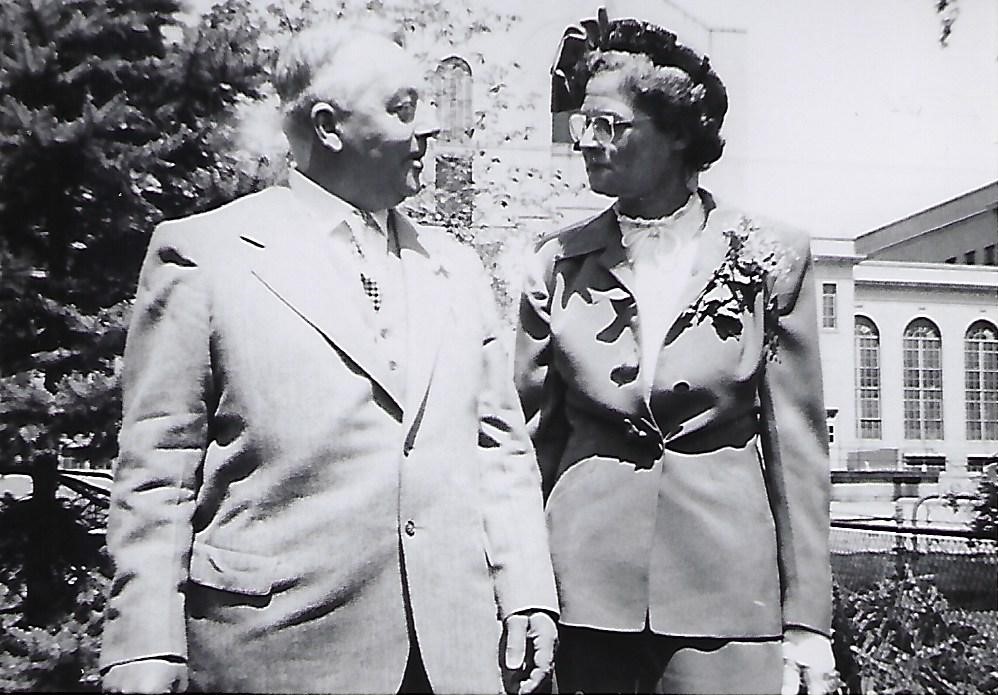
It was somewhat late (I may have been 10) when I learned he was a step-grandfather, that he had been married before, and that he had daughters from that marriage. For whatever reason, I left him till late in my research efforts. The first thing I found out was not particularly flattering, an instance of severe miliary discipline from a stint in the US Navy before WW1 (though he was later pardoned), something he conveniently didn’t tell us about. Maybe that was one of the reasons I let research into his life go by the wayside for a while.
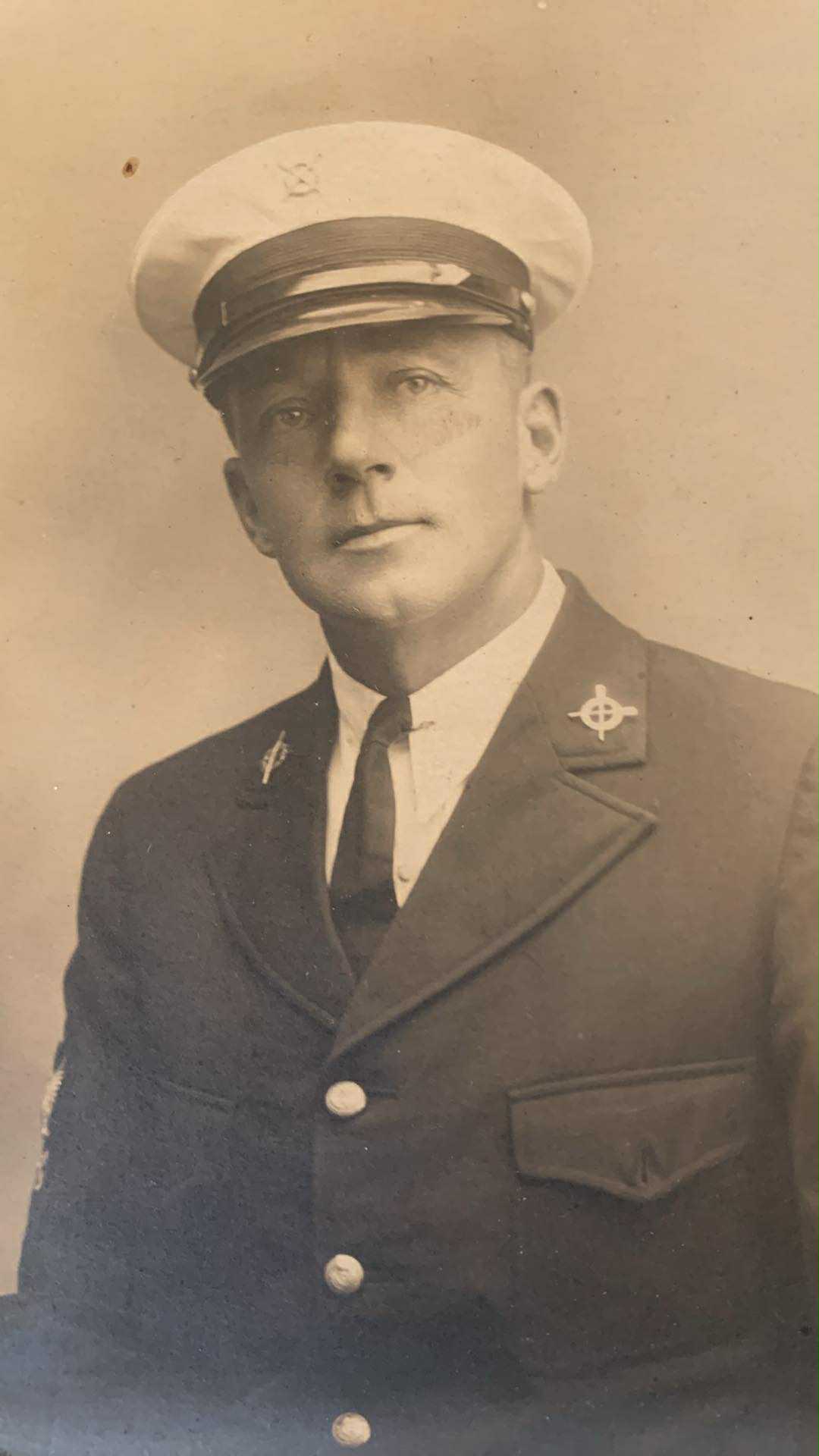
I picked it up again last July and got a little farther. Found an obituary for his first wife and one for one of his daughters. That gave me names of children and grandchildren and even let me find a great-granddaughter on Facebook. I sent her a message, but we haven’t made contact yet.
I picked this up again just after Memorial Day, and did my best to document what I found, save important stuff electronically, and prepare a good, comprehensive summary document. I found an obituary for his other daughter, got the name of her son, and found him on Facebook. He and I are step-first cousins who knew nothing about each other for the first 70+ years of our lives. I sent him an introductory message; he responded fairly quickly, and we’ve had some good message conversations since. Importantly, I now have a copy of an excellent studio photo of a young Ed Dorion, and he now has some snapshots of an older Ed Dorion. We both have a more complete picture of the life of a man who was important in both of our lives.
And, as far as genealogy research goes, a triumph like this wants me to do more and find other, previously unknown relatives.
Book Review: Night Hunt in Kisumu

I’m reading a literature book. Well, now close to 2/3rds of the way through it, I’m not sure if it’s about literature or politics or sociology or philosophy. It’s proving to be a tedious read, made more so by the typographical style built around 10 point font and smaller on the lengthy quotes. I’m not going to be finished with it and ready for writing a review (or perhaps two) for a couple of weeks at least.
But I found myself wanting to read something simultaneously that wasn’t so tedious. I settled on Night Hunt in Kisumu: and Other Unforgettable Stories from Africa by Dr. Richard Zanner. He’s originally from Germany, but spent twenty years in Africa in an administrative position over our denomination’s missions work there. It wasn’t strictly administrative, however, as wherever he went he was called upon to preach and do other assorted ministerial things such as baptisms, church dedications, etc.

The book consists of 136 pages of stories about the situations Zanner went through. Frequently he piloted a small prop plane that the church owned. Frequently he was in a barely operating hired car. He tracked across unmarked territory from Djibouti to Somalia, through the bush in Mozambique, confronted the legacy of the slave trade in Senegal, and more.
I set a goal of reading ten pages a day, mostly in the late evening or a few times when I couldn’t sleep at night, and was able to read that much or more. Zanner’s writing style is easy reading. I won’t say light, because his stories include tense moments as he went through territory where revolutions and wars were either in progress or had just ended as he sought to strengthen and encourage existing churches and seek out places to start new ones.
This was definitely a 5-star read for me. But it’s not a keeper, as I don’t think I’ll read it again given the number of books in my reading piles. We will place it on a shelf in our adult Sunday school classroom at church and let others know it’s there.
Goals for June 2025
Last month I resumed setting goals for the month. I had suspended this practice, which used to include progress, as my injuries and medical issues piled up in 2024 and continued in early 2025. But I decided to resume setting goals but not taking time to report progress on the prior month’s goals. So here are goals for June.
- Begin editing Vol. 5 of the A Walk Through Holy Week Bible study series. Based on how the last couple of volumes went, it’s likely I’ll finish it this month.
- Continue with work on computer files. This, for now, will mainly be checking scanned files to see if I’ve properly saved them and then get rid of the duplicate file.
- Having done a good job on genealogy research this month, I’d like to continue it in June. This may be mainly organizing computer files, getting rid of duplicate material and superseded files, rather than new research.
- Work some more on going through family photos. It would be nice to finish one of our four main families and send those photos off to the next family member who needs to deal with them.
- Continue going through my father-in-law’s letter files. They are in approximate chronological order. I’m going through them one a day, from newest working backwards. At this rate it will take me a couple of years to get through them all.
- Consolidate a few ideas I’ve had lately for future writing in the Documenting America series.
I have other things I’d like to accomplish, but these seem like enough to set for the month. Especially in consideration of the outdoor work I have to do in the blackberry patch.
Two Great Days
I write this Thursday evening. It will be sort of a journal entry of the good things that happened the last two days. Having completed a writing project last week, I decided to take a week off from writing tasks. How to fill the time?
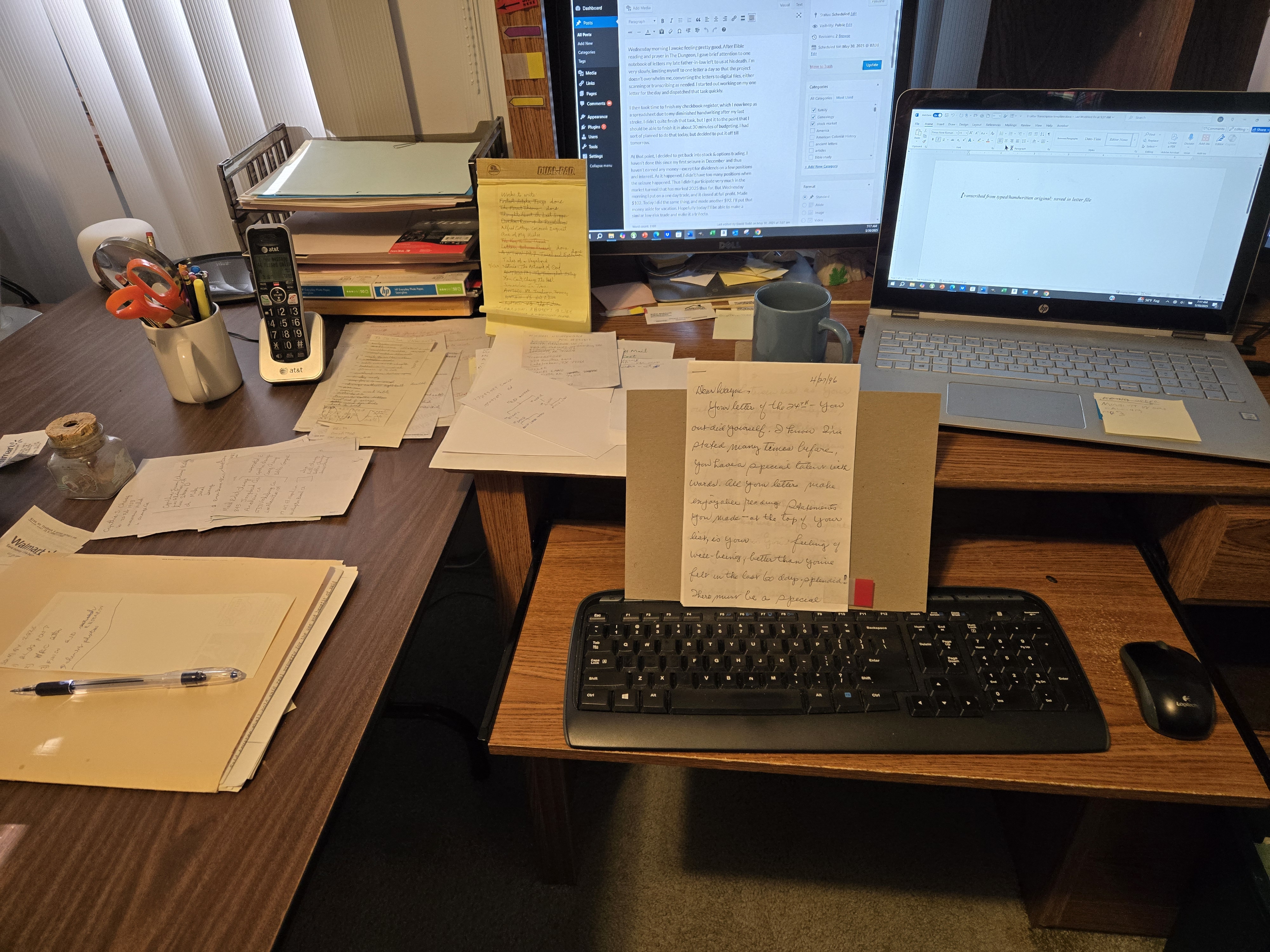
Wednesday morning I awoke feeling pretty good. After Bible reading and prayer in The Dungeon, I gave brief attention to one notebook of letters my late father-in-law left to us at his death. I’m very slowly, limiting myself to one letter a day so that the project doesn’t overwhelm me, converting the letters to digital files, either scanning or transcribing as needed. I started out working on my one letter for the day and dispatched that task quickly.
I then took time to finish my checkbook register, which I now keep as a spreadsheet due to my diminished handwriting after my last stroke. I didn’t quite finish that task, but I got it to the point that I should be able to finish it in about 30 minutes of budgeting. I had sort of planned to do that today, but decided to put it off till tomorrow.
At that point, I decided to get back into stock & options trading. I haven’t done this since my first seizure in December and thus haven’t earned any money—except for dividends on a few positions and interest. As it happened, I didn’t have too many positions when the seizure happened. Thus I didn’t participate very much in the market turmoil that has marked 2025 thus far. But Wednesday morning I put on a one day trade, and it closed at full profit. Made $102. Today I did the same thing, and made another $92. I’ll put that money aside for vacation. Hopefully today I’ll be able to make a similar low-risk trade and make it a trifecta.
That brought me to 9 a.m. and breakfast. Wednesday is our normal trash day, but on a holiday week it is usually delayed a day. But the City had nothing about the delay, nor did the trash company. Being unsure, I got the trash out right after breakfast.
Then it was back to The Dungeon, with 1 1/2 hours to kill until a writing networking time via Zoom. I decided to work on some e-file maintenance. I have over 2,900 files I’ve scanned and saved to a proper filing system, but never checked the scans to make sure they saved properly and then deleted the scan file. So I went back to doing that (I’d done a little the last couple of weeks). In that time, I was able to check around 75 files. Maybe two I couldn’t find in the place I expected to find them, so I saved or re-saved them, taking time to do a better job of choosing the right folder and a good file name. This is not high priority work—just something useful to do in odd minutes between things. But it felt good.
Then came the Zoom meeting, a time of on-line networking with other struggling writers. About 45 were on the Zoom meeting. We were divided into break-out rooms for 15 minutes, then shuffled into other break-out rooms. With some general discussion time, this fill 90 minutes of the planned two hours. At that point I dropped out. I came to realize that this kind of networking probably wasn’t the best use of my time. I’ll likely skip the next one.
Next came lunch and my reading time in the sunroom. I read a few pages in a magazine I’m trying to get through and get rid of, then almost my daily quota in an interesting literature book. I usually struggle to get all my reading done, but was able to come close in this session, though I still needed to carve out some time.
After that, since the ground was soaked from five straight days of rain, outdoor work would have been difficult so it was back to The Dungeon, monitor my stock trade, and on to the next task. I decided to do some genealogy research, spurred on to this from having dealt with some scanned genealogy files that morning. I decided to concentrate on my step-grandfather, find out little more about his first wife and his descendants with her.
Without boring you with the details, I found out a whole bunch, expanding a start to the research I had done the previous July. I created a file or two, corrected a couple of mistakes in on-line genealogy sites, and filled in a bunch of gaps. I worked on this the rest of the day, taking time off only to eat supper and watch some of the Titanic Sub documentary on the Discovery Channel.
I went to bed about 11, but my mind was so full of the productive day’s activities I knew I wouldn’t be able to fall asleep. But surprisingly, I think I did after wrestling my mind to quit dwelling on the good day just finished. Alas, a small disturbance later and I was wide awake. I got up at ten minutes after midnight and read. I completed the few pages left in the daily quota of the literature book and read in a missions book that I’m trying to get through simultaneously with the literature book. That was good.
You might ask, “How was it good to lose sleep?” Not to lose sleep, but to get my reading in. Instead of going back to bed, which would just wake me up, I turned the light out and leaned back the recliner. I must have fallen asleep right away, for the next thing I knew it was three hours later. The time I went back to bed and slept another three hours.
That brought me to Thursday morning, to the same routines tackled and finished. Except, instead of organizing files, I completed my research on my step-grandfather and his first wife and did most of the work of properly documenting that research. When I say “finished,” that’s a relative term. Genealogy research into anyone is never complete. You just come to stopping points and take breaks, waiting for that time to pick up that strain of research again.
Oh, and perhaps the best part of these two good days: I identified a grandson of my step grandfather, reached out to him on social media, and he responded. He and I are step-first cousins. We had a nice exchange of messages. Connecting with a newly found family member is always good.
What does Friday hold? Probably decumulation tasks, and getting closer to going through photos from one of our four main family lines.